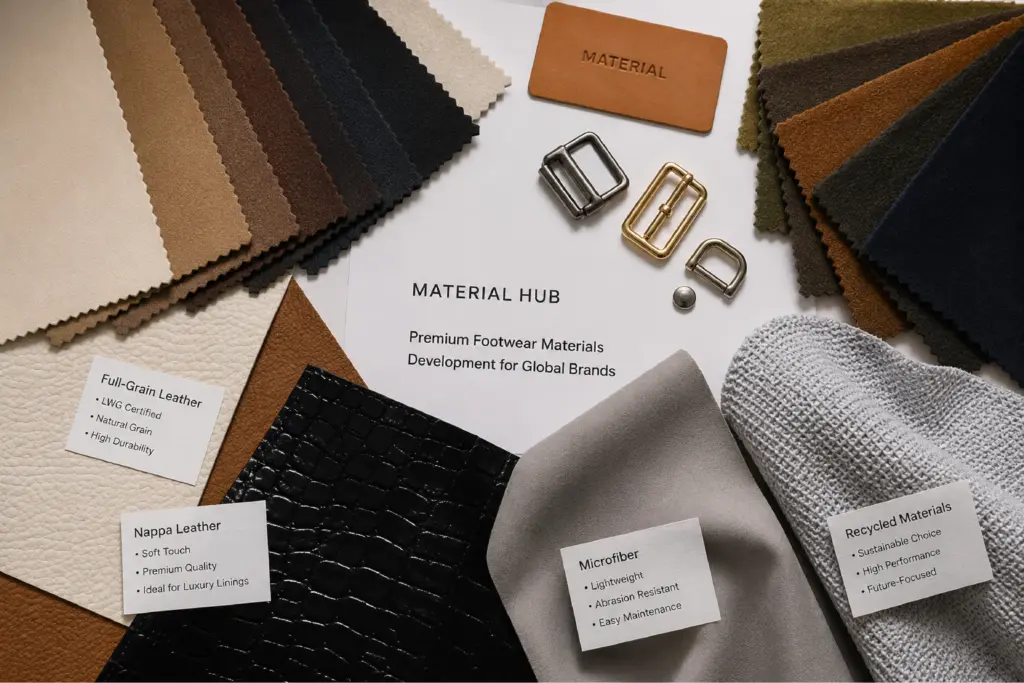
Material HERRAINS: Where Materials, Design and Product Thinking Meet in Footwear & Handbags

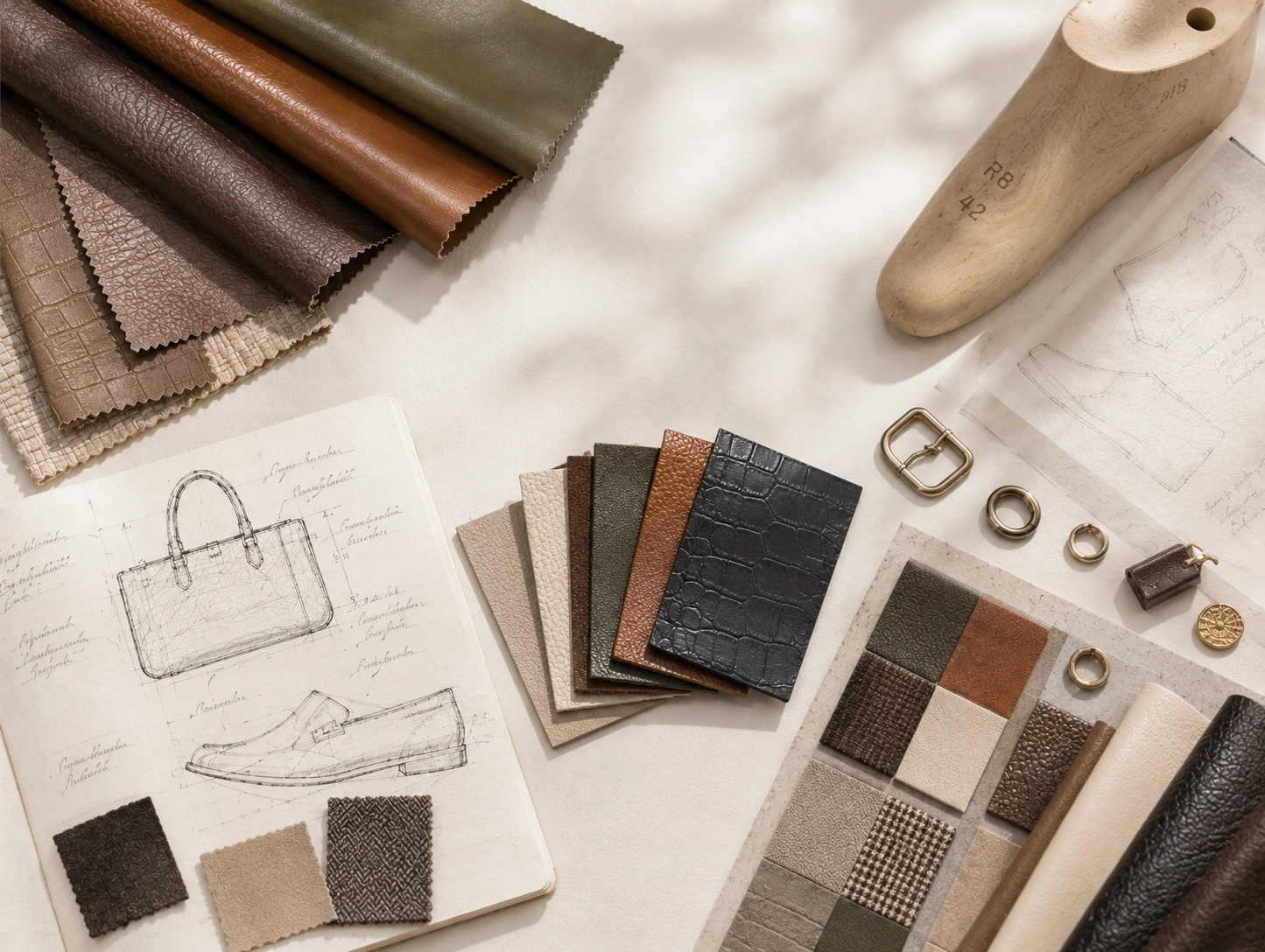
Introduction
In today’s footwear and handbag industry, materials are no longer a backstage decision—they are a strategic product language.
From luxury houses redefining leather finishes to independent brands experimenting with alternative materials, the global fashion ecosystem is increasingly shaped by how materials are selected, combined and translated into product identity.
According to the McKinsey State of Fashion Report 2024, over 70% of fashion executives identify “material innovation and product differentiation” as a key driver of competitive advantage in the next product cycle. Meanwhile, the Leather Working Group (LWG) continues to push sustainability standards that directly influence sourcing decisions across global supply chains.
Yet despite this evolution, most founders, designers and product teams still face a gap:
materials are visible, but not always understandable in product context.
This is where Material HERRAINS positions itself—not as a supplier or marketplace, but as a materials intelligence and product thinking platform for footwear and handbags.
Why Materials Are Now a Strategic Product Language
In traditional workflows, materials were selected after design. Today, they often define design itself.
A polished calf leather signals heritage luxury.
A matte microfiber suggests modern minimalism.
A sculptural heel transforms a basic silhouette into a statement product.
As highlighted by Vogue Business, material choice is now “a core storytelling tool in product differentiation, especially for emerging brands competing in saturated categories.”
This shift means materials are no longer technical inputs—they are brand identity carriers.
Inside Material HERRAINS — A Product Intelligence Platform
Material HERRAINS is built around a simple idea:
better products start with better material understanding.
Instead of functioning as a catalogue, the platform connects:
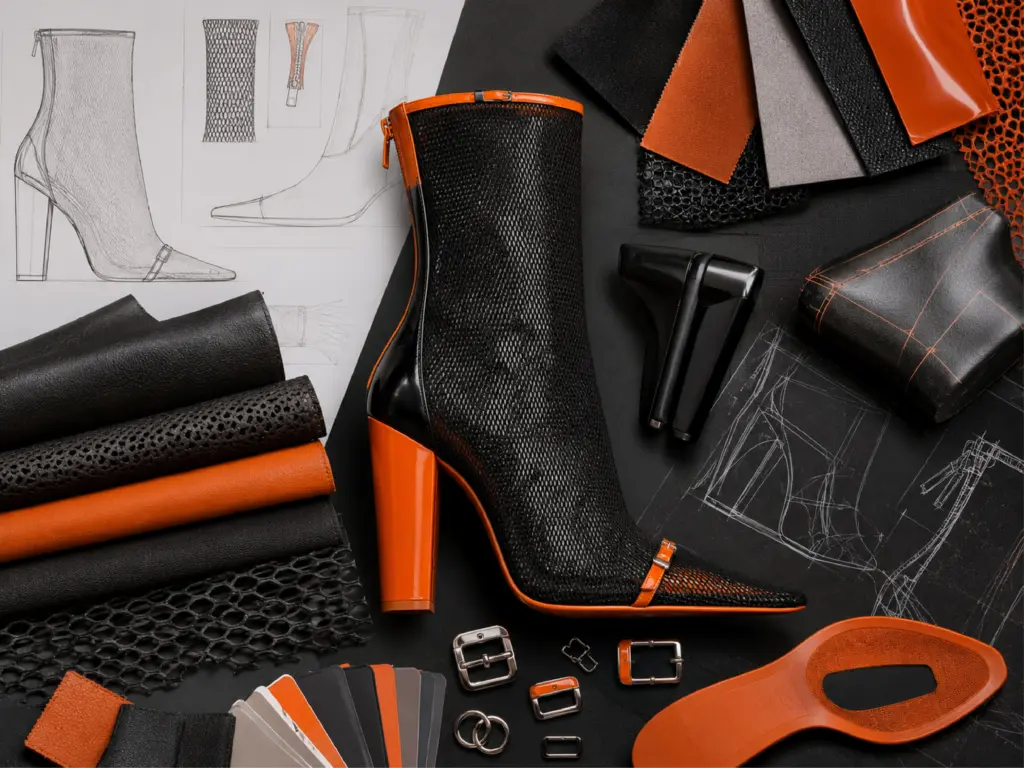
- Leather & alternative materials
- Soles, heels & structural components
- Hardware & decorative elements
- Product construction logic
- Fashion trend interpretation
- Market positioning insights
Not a supplier, not a marketplace
We do not sell materials.
We do not develop materials.
We do not operate as a sourcing platform.
Instead, we function as a reference system between design intention and product execution.
This distinction is critical for OEM/ODM workflows, where misunderstanding materials often leads to:
- misaligned sampling outcomes
- cost inefficiencies
- design-to-factory communication gaps
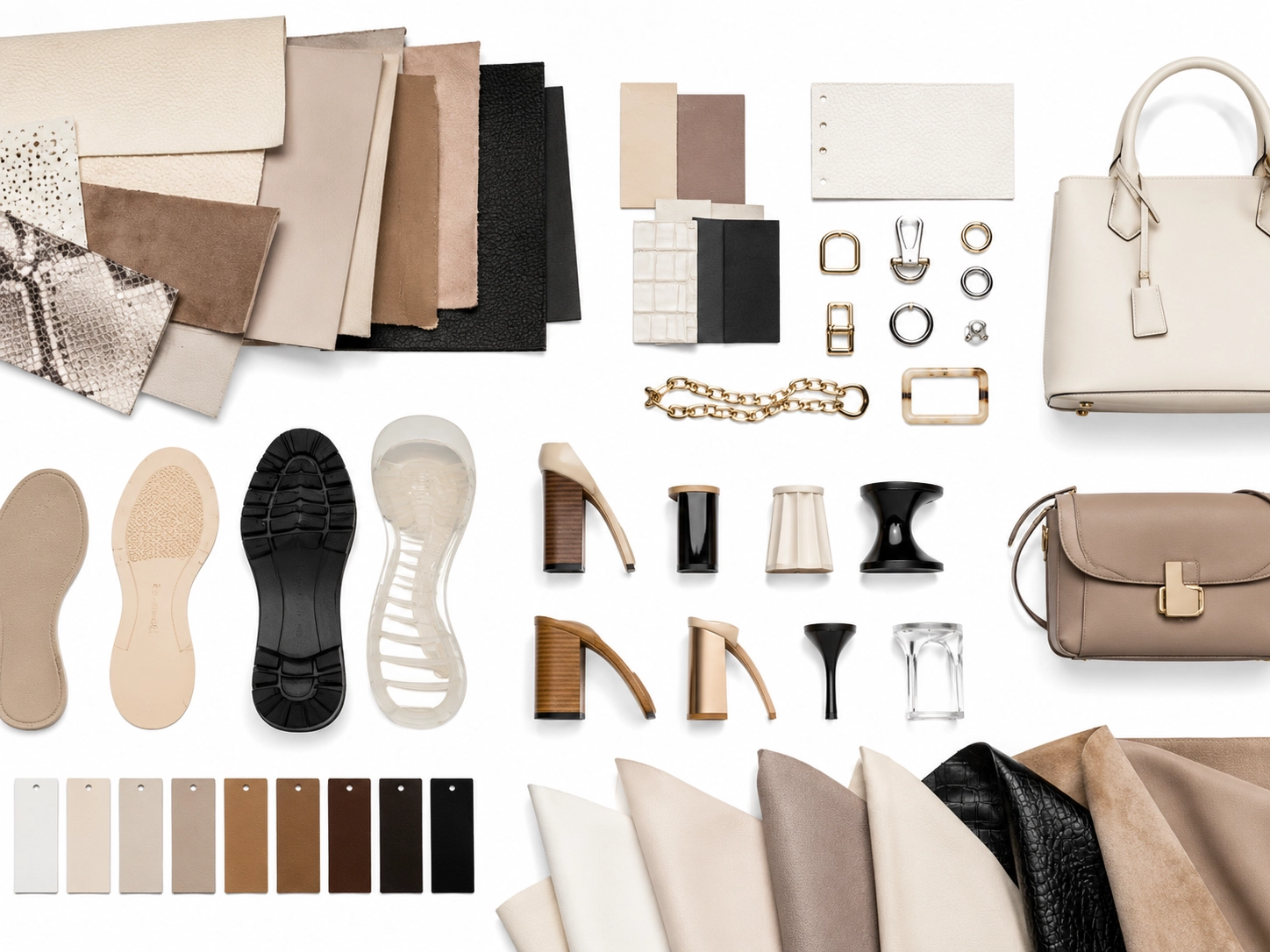
How Materials Shape Footwear & Handbag Design
Footwear — structure defines silhouette
In footwear, materials directly influence:
- last shape perception
- comfort vs. rigidity balance
- heel stability and proportion
- outsole visual weight
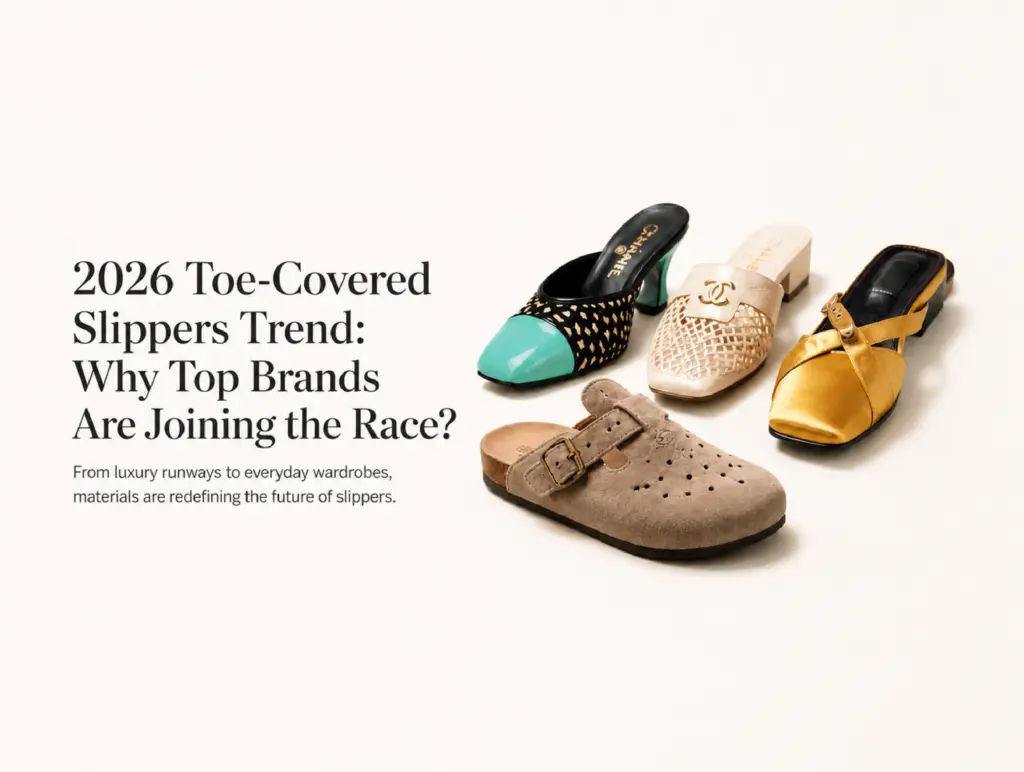
A shift from leather to synthetic upper material can completely change how a loafer is perceived in the market.
Handbags — texture defines positioning
In handbags, material determines:
- perceived luxury level
- seasonal relevance
- durability expectations
- price positioning
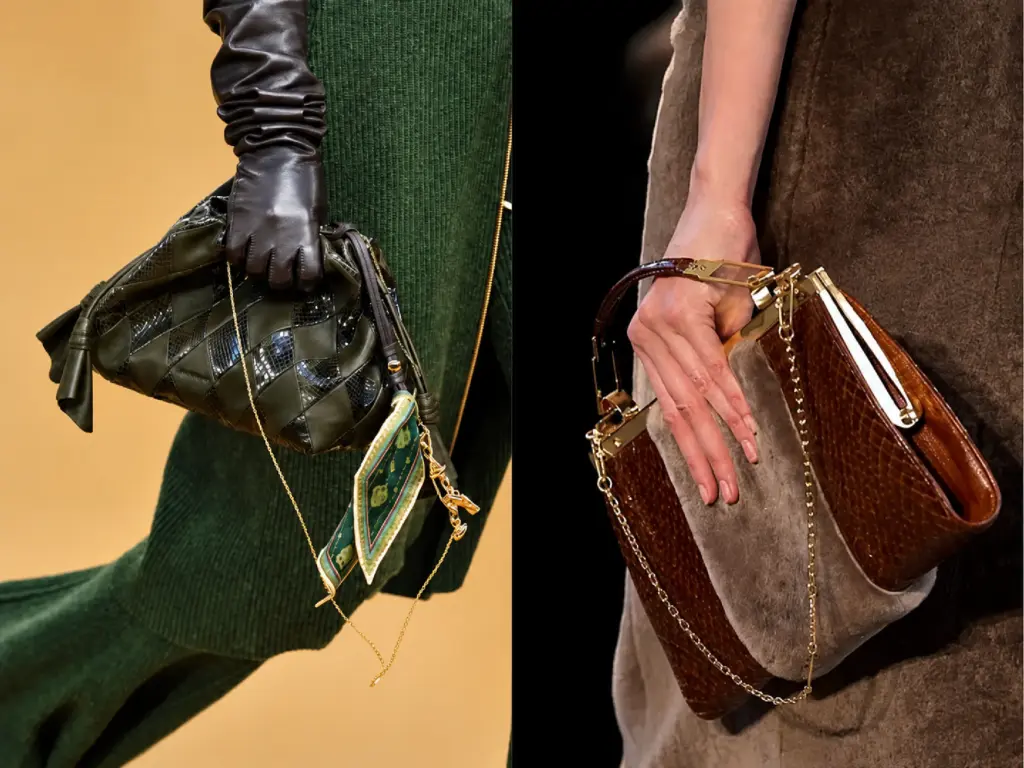
A structured calf leather tote communicates a different market tier than a soft PU shoulder bag—even if the silhouette is identical.
Components as identity markers
Hardware, soles and heels are no longer secondary details.
They are visual signatures of brand identity.
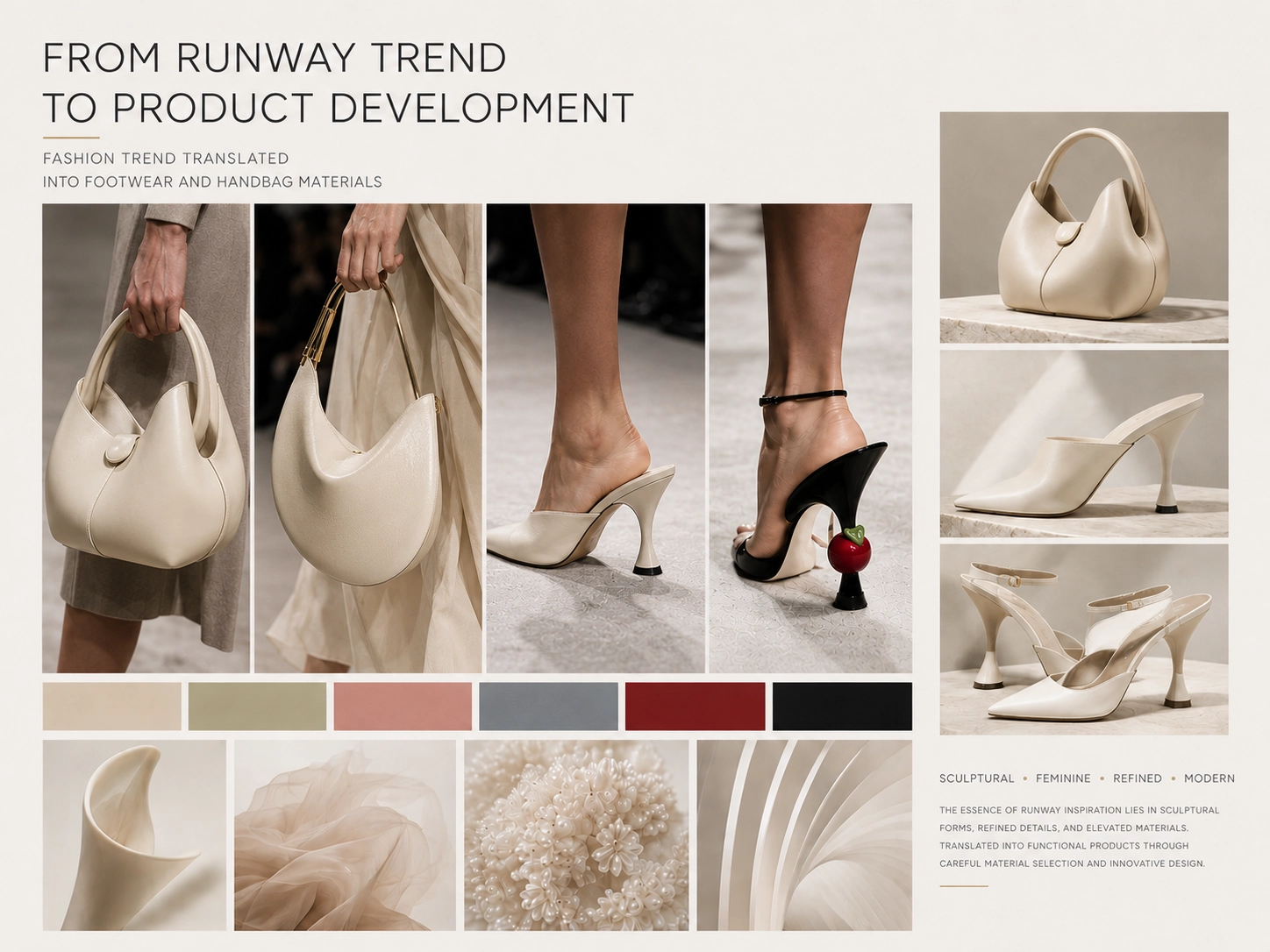
From Fashion Trends to Product Reality
Fashion weeks often present silhouettes.
But product teams must translate them into manufacturable systems.
Material HERRAINS analyzes this transition layer:
- runway direction → material selection
- silhouette trend → construction logic
- aesthetic shift → component adaptation
For example:
- The return of “quiet luxury” increases demand for refined leather finishing and minimal hardware
- Western-inspired footwear trends revive interest in stacked heels and textured leather
- Soft handbag silhouettes require flexible yet structured material engineering
As noted by CFDA industry insights, successful product development increasingly depends on “translating cultural signals into material decisions.”
Who This Platform Is Built For
Material HERRAINS serves professionals operating between creative direction and product execution:
- Fashion brand founders
- Footwear & handbag designers
- OEM/ODM product developers
- Sourcing & merchandising teams
- Retail buyers & category managers
- Creative entrepreneurs launching physical products
Each group interacts with materials differently—but all face the same challenge:
turning visual ideas into commercially viable products.
The OEM/ODM Reality — Why Material Understanding Matters
In OEM/ODM development, materials are not abstract—they are operational constraints.
A small change in:
- leather thickness
- sole density
- hardware weight
- lining structure
can affect:
- production cost
- sampling accuracy
- delivery timelines
- final product positioning
This is why Material HERRAINS emphasizes pre-development material intelligence—helping teams reduce friction before production begins.
Building a Shared Language for the Industry
One of the biggest challenges in footwear and handbag development is communication.
- Designers speak in aesthetics
- Factories speak in construction logic
- Buyers speak in commercial categories
- Founders speak in brand vision
Material HERRAINS sits between these languages.
It creates a shared reference point where:
- materials become understandable
- components become comparable
- product decisions become clearer
This aligns with broader industry transformation highlighted by McKinsey, where cross-functional alignment is now a key driver of product success.
Building a Shared Language for the Industry
One of the biggest challenges in footwear and handbag development is communication.
- Designers speak in aesthetics
- Factories speak in construction logic
- Buyers speak in commercial categories
- Founders speak in brand vision
Material HERRAINS sits between these languages.
It creates a shared reference point where:
- materials become understandable
- components become comparable
- product decisions become clearer
This aligns with broader industry transformation highlighted by McKinsey, where cross-functional alignment is now a key driver of product success.
Conclusion: From Material Awareness to Better Products
The future of footwear and handbag design will not be defined by materials alone—but by how effectively they are understood, combined and translated into product systems.
Material HERRAINS exists to support that shift.
Not by replacing suppliers or manufacturers, but by strengthening the thinking layer before production begins.
Because in modern fashion development, the most important decisions are often made long before the first sample is produced.
FAQ
1. Is Material HERRAINS a material supplier?
No. It is a materials intelligence and product knowledge platform, not a supplier or marketplace.
2. Does it provide OEM/ODM manufacturing services?
No direct manufacturing is provided. It supports pre-development understanding and product research.
3. Who should use this platform?
Fashion founders, designers, product developers, buyers, and anyone involved in footwear or handbag creation.
4. How is this different from a sourcing platform?
Sourcing platforms focus on transactions. Material HERRAINS focuses on understanding materials in product context.
5. Can it help with product development decisions?
Yes. It helps teams understand how materials, components and construction affect final product outcomes.
6. Does it cover sustainability topics?
Yes, including material trends influenced by standards such as the Leather Working Group (LWG).
7. Is it useful for early-stage brands?
Absolutely. It is especially valuable for founders building their first footwear or handbag collection.