
What Luxury Brands Expect From Footwear Material Suppliers

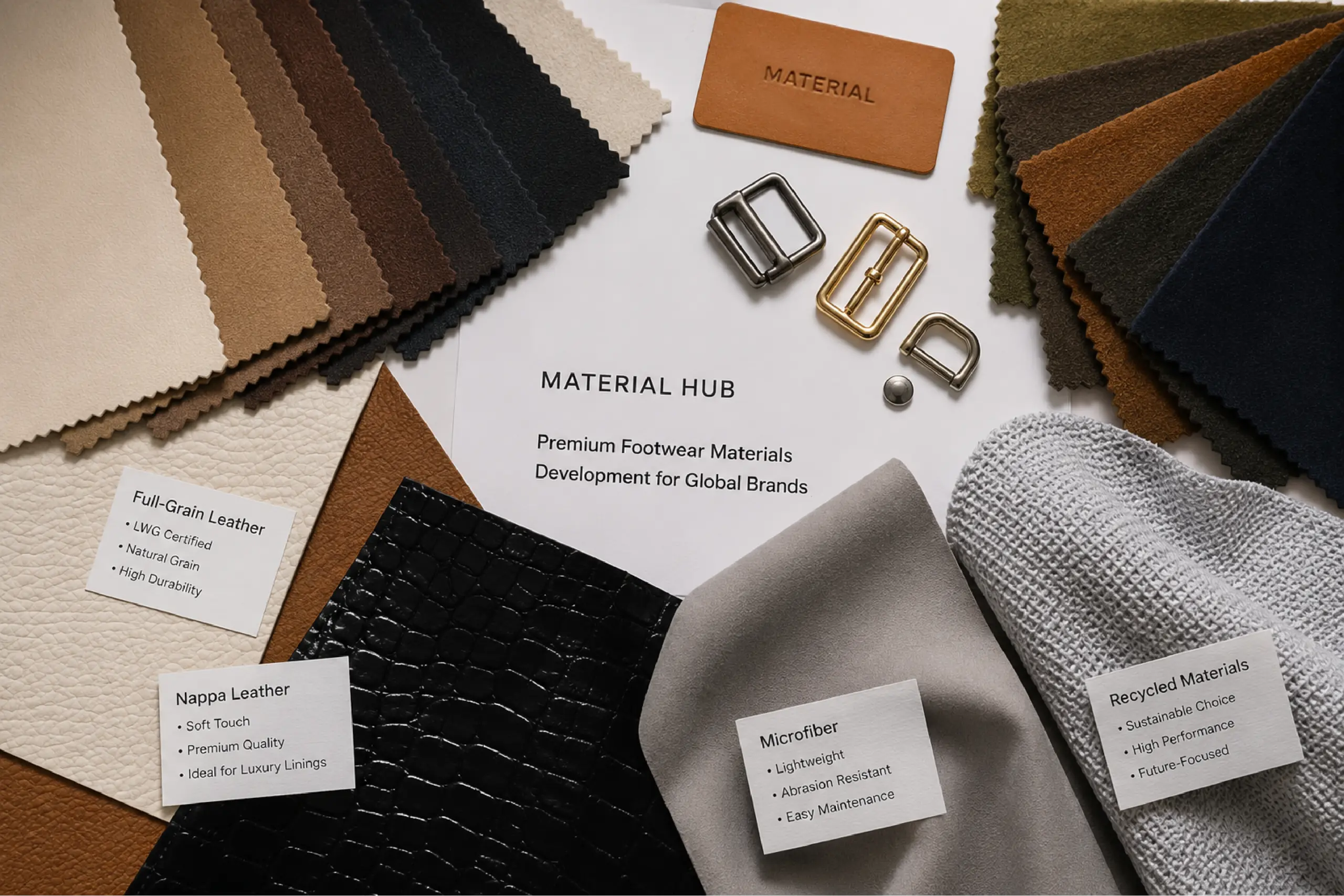
What Luxury Footwear Brands Look for in a Footwear Material Supplier
In today’s luxury footwear market, materials are no longer viewed as simple production components. They shape product identity, define perceived value, influence retail positioning, and directly impact long-term brand reputation.
For emerging fashion brands, choosing the right footwear material supplier has become a strategic development decision rather than a sourcing task. According to reports fromVogue Business and McKinsey & Company, luxury consumers increasingly associate craftsmanship, sustainability, durability, and traceability with product quality — all of which begin at the material development stage.
This shift is reshaping how brands approach shoe material sourcing. Instead of searching only for factories, many fashion startups, independent designers, and product development teams are looking for reliable development partners capable of supporting concept development, premium material sourcing for shoe brands, prototype development, and scalable OEM production.
At Material Herrain, material sourcing is approached as part of a larger product development ecosystem. The platform connects luxury footwear materials knowledge with footwear development strategy, helping brands move from concept to market-ready products with greater confidence, efficiency, and manufacturing clarity.
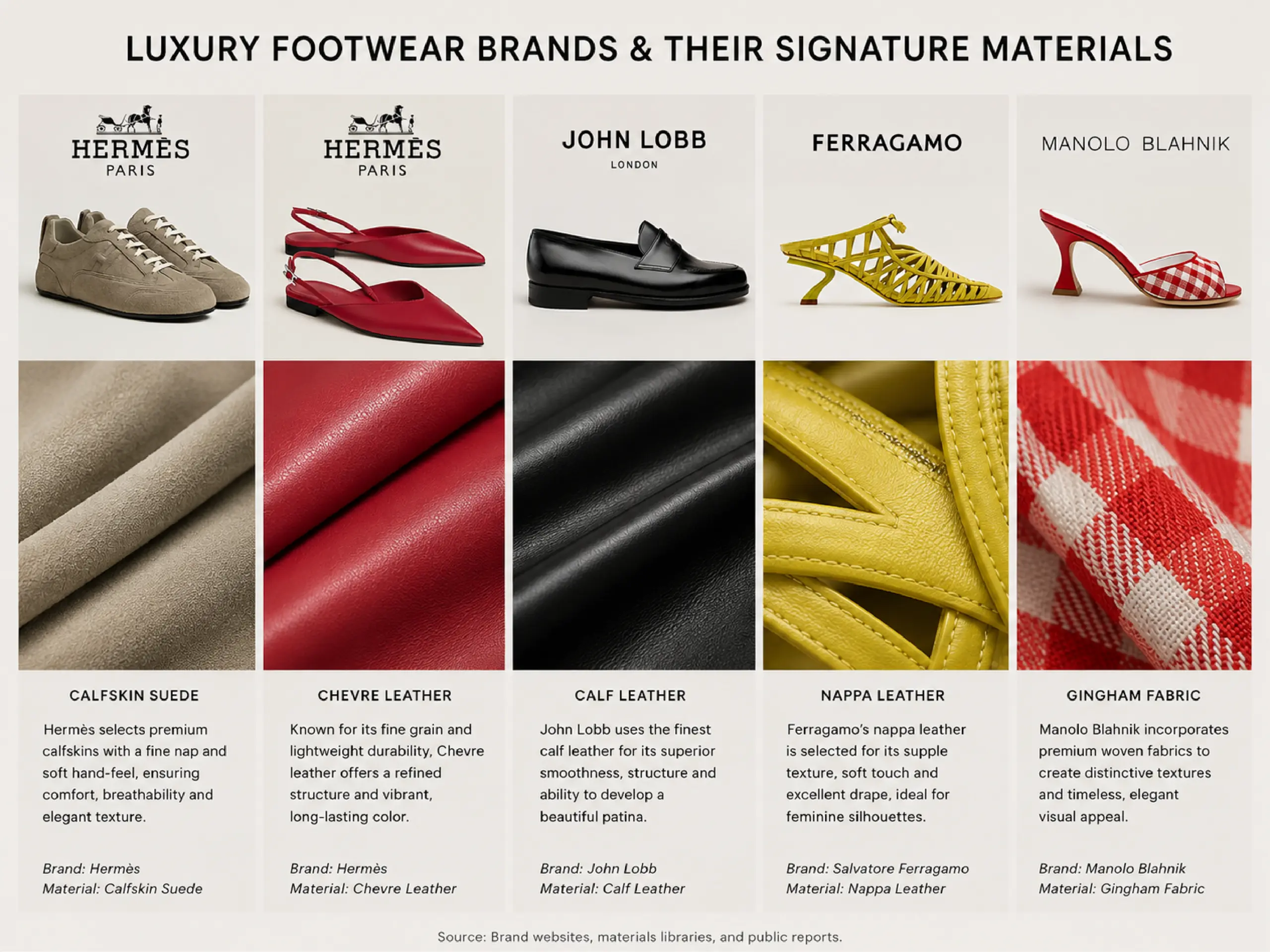
Luxury footwear is rarely judged only by silhouette or branding. Customers experience luxury through texture, comfort, structure, finishing quality, and long-term wear performance.
A premium loafer made with low-grade microfiber may visually resemble a luxury product online, but poor lining selection, weak outsole density, or low-quality metal hardware quickly reduce perceived value after purchase.
This is why experienced luxury brands evaluate materials holistically:ull-grain leather aging behavior
• Suede consistency and color stability
• Lining breathability
• Outsole density and flexibility
• Stitching compatibility
• Hardware durability
• Packaging compatibility
• Sustainability certifications
• Production scalability
The best luxury footwear materials do not simply “look premium.” They perform consistently across sampling, wear testing, photography, shipping, and retail environments.
For fashion brands entering the market, materials often become the difference between a product that looks expensive and a product that feels truly luxurious.
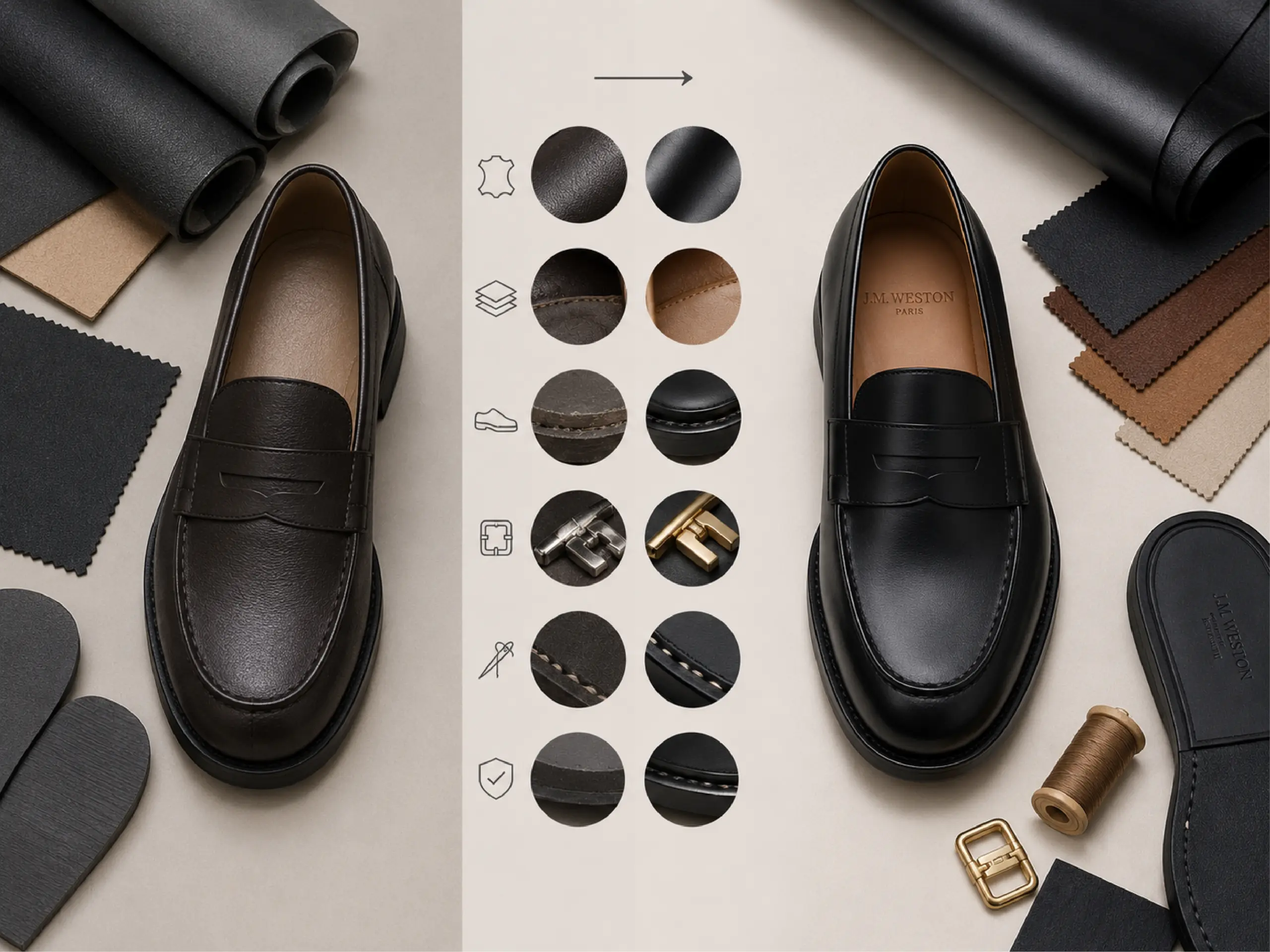
1. Material Matching During Concept Development
Brands increasingly expect suppliers to help align materials with:
- Product positioning
- Retail pricing
- Seasonal trends
- Consumer demographics
- Functional requirements
- Sustainability goals
For example, a minimalist luxury sneaker targeting Japanese consumers may prioritize lightweight microfiber, clean edge finishing, and soft neutral tones, while Middle Eastern evening footwear collections may require metallic finishes, embellished hardware, and higher abrasion resistance.
A reliable footwear material supplier understands these regional product expectations before sampling even begins.
2. Prototype Development Support
Prototype development has become one of the most critical stages in footwear development.
Brands expect suppliers to assist with:
- Material compatibility testing
- Construction recommendations
- Heel and outsole matching
- Lining adjustments
- Color refinement
- Sampling revisions
- Comfort optimization
- Wear testing preparation
Efficient prototype development reduces delays during bulk production preparation and helps brands launch faster with lower risk.
3. Scalable OEM Transition
Many startups begin with small-batch sampling or limited launches. However, luxury brands also evaluate whether suppliers can scale successfully into OEM footwear factory production later.
This includes:
- Stable material consistency
- Repeatable color matching
- Hardware supply continuity
- Lead-time management
- Quality control systems
- Export compliance
At this stage, material suppliers and custom shoe manufacturers increasingly work together as integrated development partners.
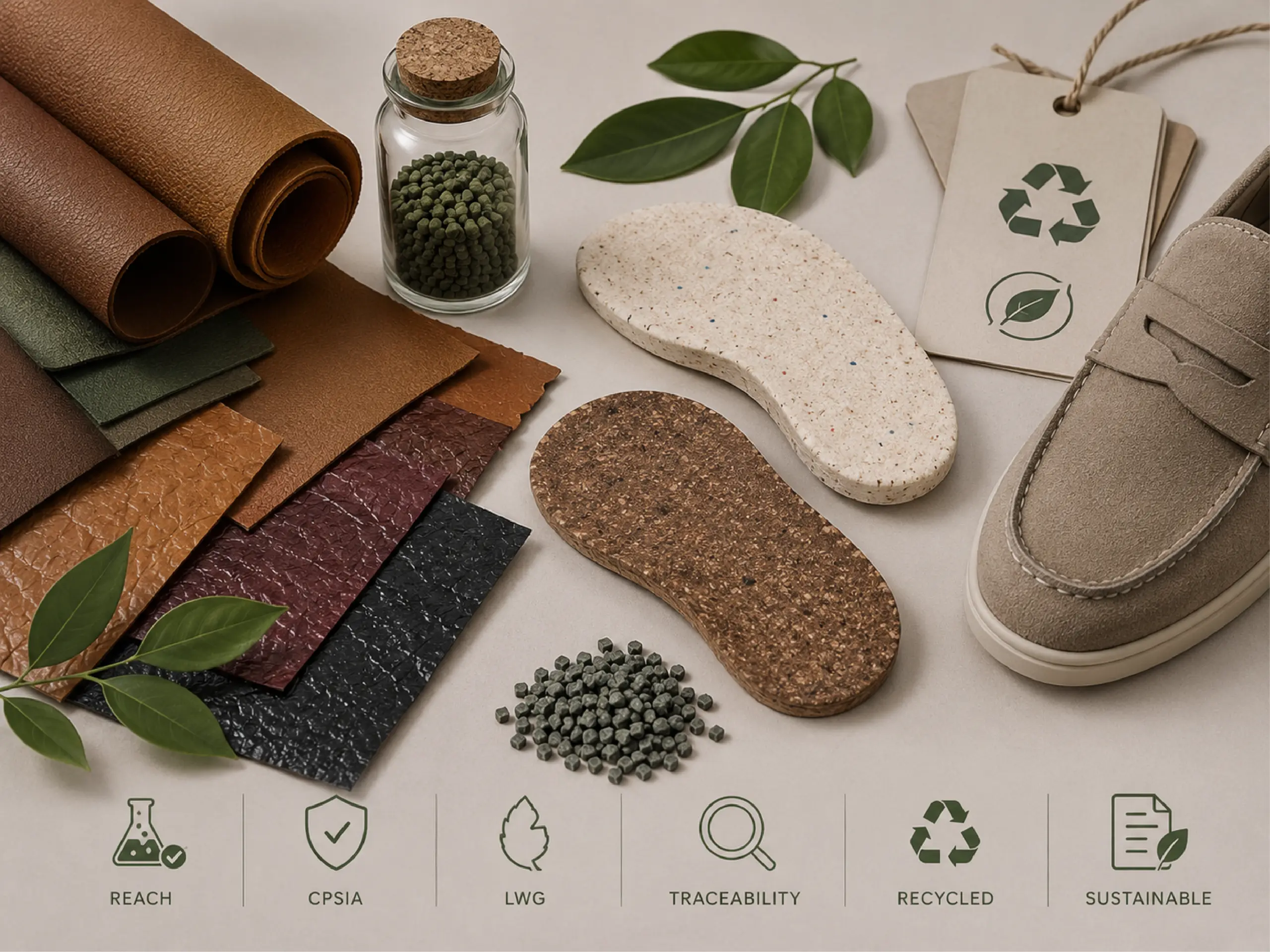
Key standards often include:
- REACH compliance
- CPSIA requirements
- Leather Working Group certification
- Restricted substance testing
- Traceability systems
- Recycled material verification
- Sustainability sourcing documentation
According to Leather Working Group, brands are placing greater importance on responsible leather sourcing and environmental accountability across the supply chain.
This is especially important for:
- European retailers
- US department stores
- Japanese fashion distributors
- Luxury e-commerce platforms
For many emerging brands, compliance readiness also influences investor confidence and retail partnership opportunities.
A modern footwear material supplier is therefore expected to provide not only materials, but also sourcing transparency and documentation support.
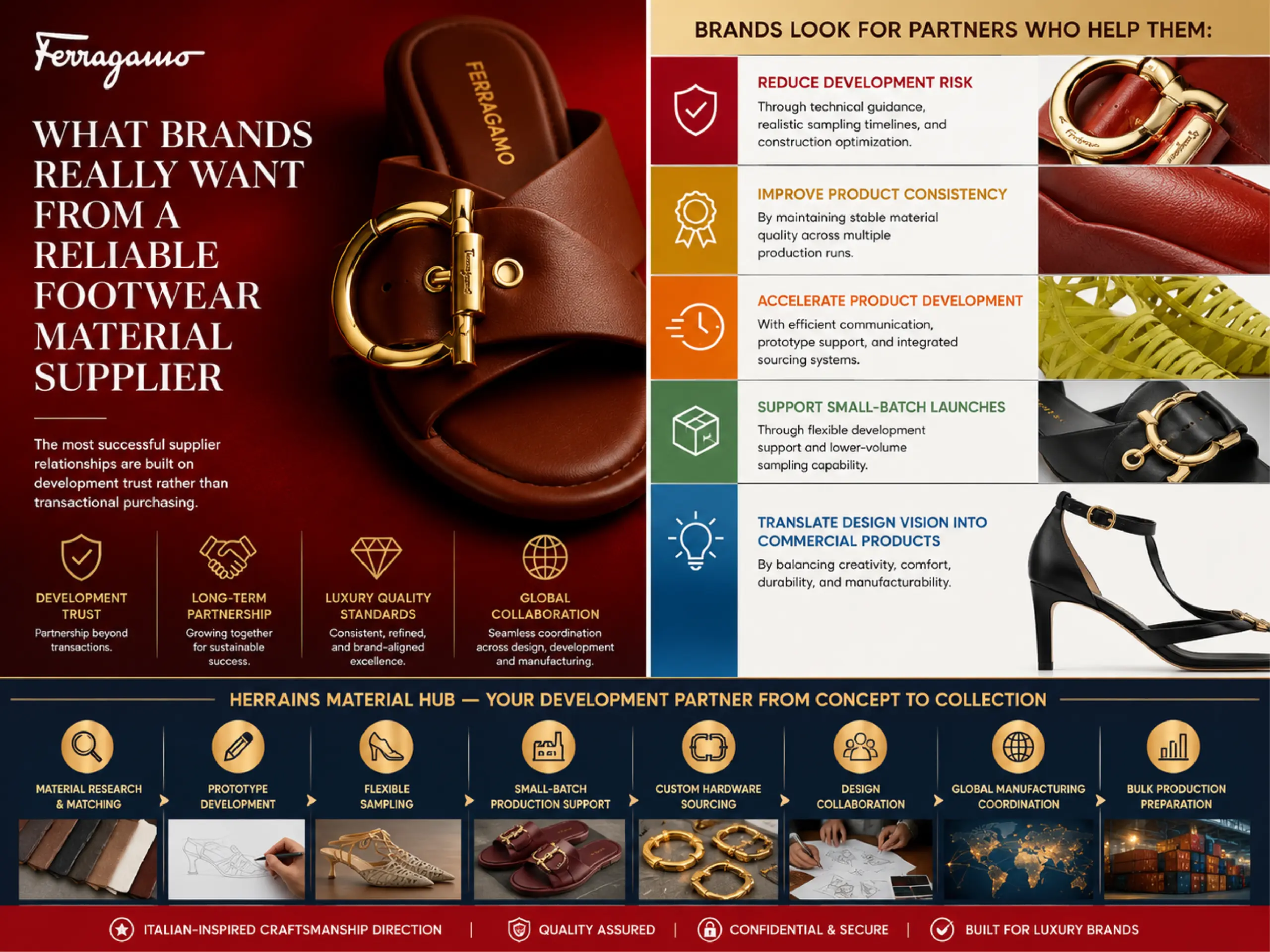
Luxury brands typically look for partners who can help them:
Reduce Development Risk
Through technical guidance, realistic sampling timelines, and construction optimization.
Improve Product Consistency
By maintaining stable material quality across multiple production runs.
Accelerate Product Development
With efficient communication, prototype support, and integrated sourcing systems.
Support Small-Batch Launches
Through flexible development support and lower-volume sampling capability.
Translate Design Vision Into Commercial Products
By balancing creativity, comfort, durability, and manufacturability.
This is why many brands increasingly prefer development-focused platforms rather than purely trading-based sourcing companies.
At material herrains, the goal is not simply to supply materials. The platform is designed to support the entire path from material knowledge to footwear development, manufacturing trust, and long-term OEM / ODM collaboration.
Supported capabilities include:
- Italian-inspired craftsmanship direction
- Material research and matching
- Prototype development
- Flexible sampling
- Small-batch production support
- Custom hardware sourcing
- Design collaboration
- Global manufacturing coordination
- Bulk production preparation
This development-oriented structure helps brands build products that are commercially viable, scalable, and aligned with modern luxury expectations.
Conclusions
Phenomenal performance for professionals
Luxury footwear development begins long before production starts. It begins with materials, development strategy, technical collaboration, and sourcing intelligence.
As the market becomes more competitive, brands are no longer searching only for factories. They are searching for reliable footwear material suppliers capable of supporting premium product development, sustainability requirements, prototype optimization, and scalable OEM manufacturing partnerships.
The future of footwear development belongs to suppliers that understand both materials and commercialization.
At material herrain, material sourcing is positioned as a strategic development resource — helping brands transform ideas into market-ready footwear with stronger quality control, faster development efficiency, and long-term manufacturing confidence.
FAQ
What does a footwear material supplier do?
A footwear material supplier provides materials and development support used in shoe production, including leather, microfiber, outsole components, lining materials, hardware, and sustainability documentation.
Why are luxury footwear materials important?
Luxury footwear materials directly affect comfort, durability, appearance, brand positioning, and long-term customer satisfaction.
How do luxury brands source shoe materials?
Luxury brands typically evaluate material quality, sustainability certifications, durability testing, prototype compatibility, and supplier development capabilities before approving sourcing partnerships.
What is the difference between a material supplier and a custom shoe manufacturer?
A material supplier focuses on sourcing and development materials, while a custom shoe manufacturer manages prototype creation, sampling, and bulk production. Increasingly, both work together as integrated development partners.
What materials are commonly used in premium footwear?
Common premium shoe materials include full-grain leather, suede, microfiber, recycled textiles, rubber outsoles, EVA midsoles, leather lining, and custom metal hardware.
Why is sustainability important in footwear sourcing?
Global retailers and consumers increasingly expect traceable, compliant, and environmentally responsible sourcing practices, especially for luxury and premium footwear products.
What should brands look for in a reliable footwear material supplier?
Brands should evaluate material consistency, development experience, compliance capability, prototype support, communication efficiency, and scalability into OEM production.


If you want to have custom-made shoes and bags, please refer to:herrains.com