Spring/Summer 2027 Leather & Material Trends for Footwear and Handbags


Introduction
Spring/Summer 2027 is shaping up as a season in which material choice carries as much strategic weight as silhouette.
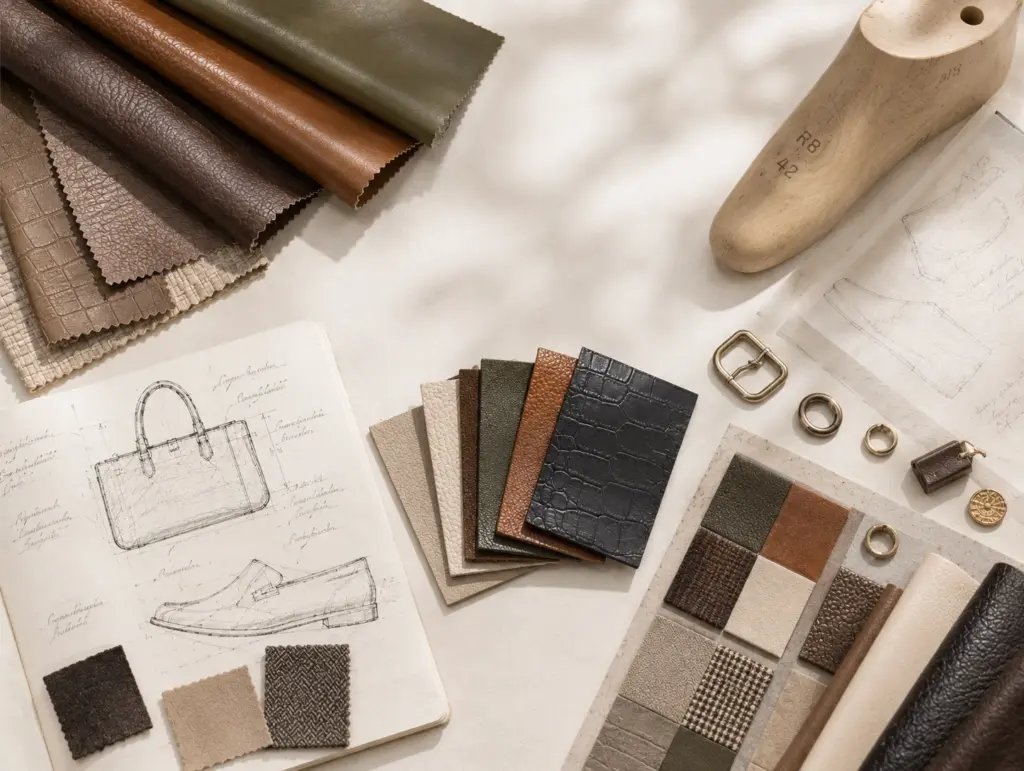
LINEAPELLE’s official Summer 27 direction is built around the idea of the “Overview Effect”: distance changes perception, and perfection becomes less about flawlessness and more about nuance, character and unexpected beauty. For footwear and handbag development, that shift has a practical consequence. Materials no longer need to look mechanically perfect to feel premium; surface character, tactility, contrast and construction intelligence can become part of the product identity.
For founders, product development managers and independent designers, however, the commercial question is not simply: What looks new?
The more useful question is:
Which material direction can survive concept development, prototype development, sampling revisions, wear testing, costing, compliance and bulk production preparation while still communicating the right brand position?
That is where a Material Library for High-End Footwear & Handbags becomes more valuable than a trend moodboard alone.
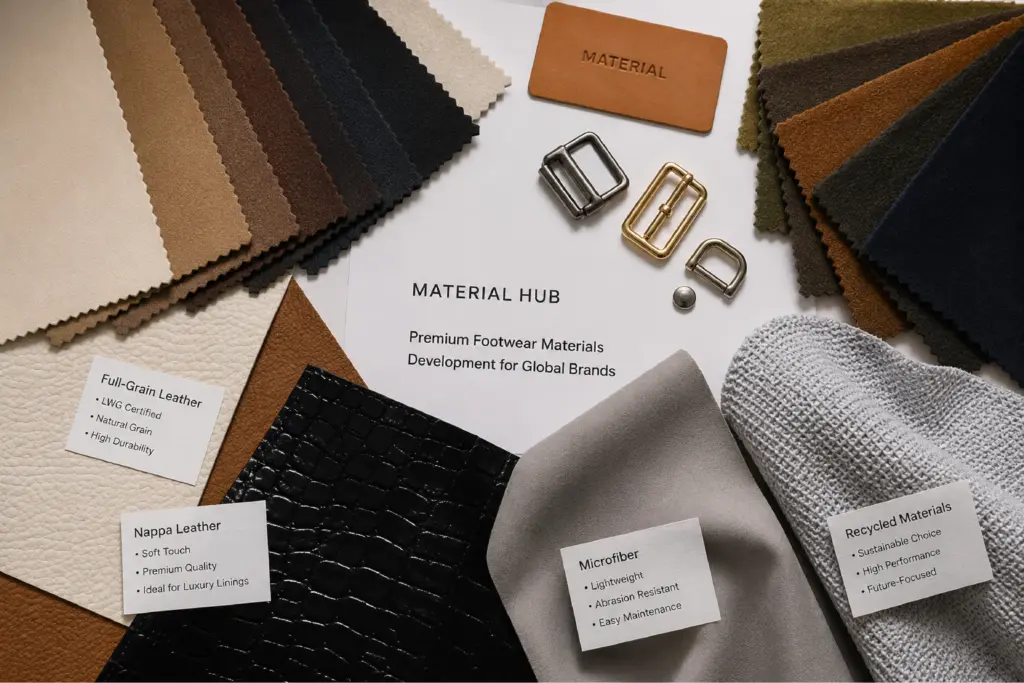
A serious Footwear and Bag Materials Resource Center should connect inspiration with real product decisions—from full-grain leather and suede to microfiber, lining selection, outsole density, metal hardware and prototype feasibility.
1. Tactile Leather Becomes a Design Language for SS27
A Footwear Material Sourcing Guide Should Start With Hand Feel
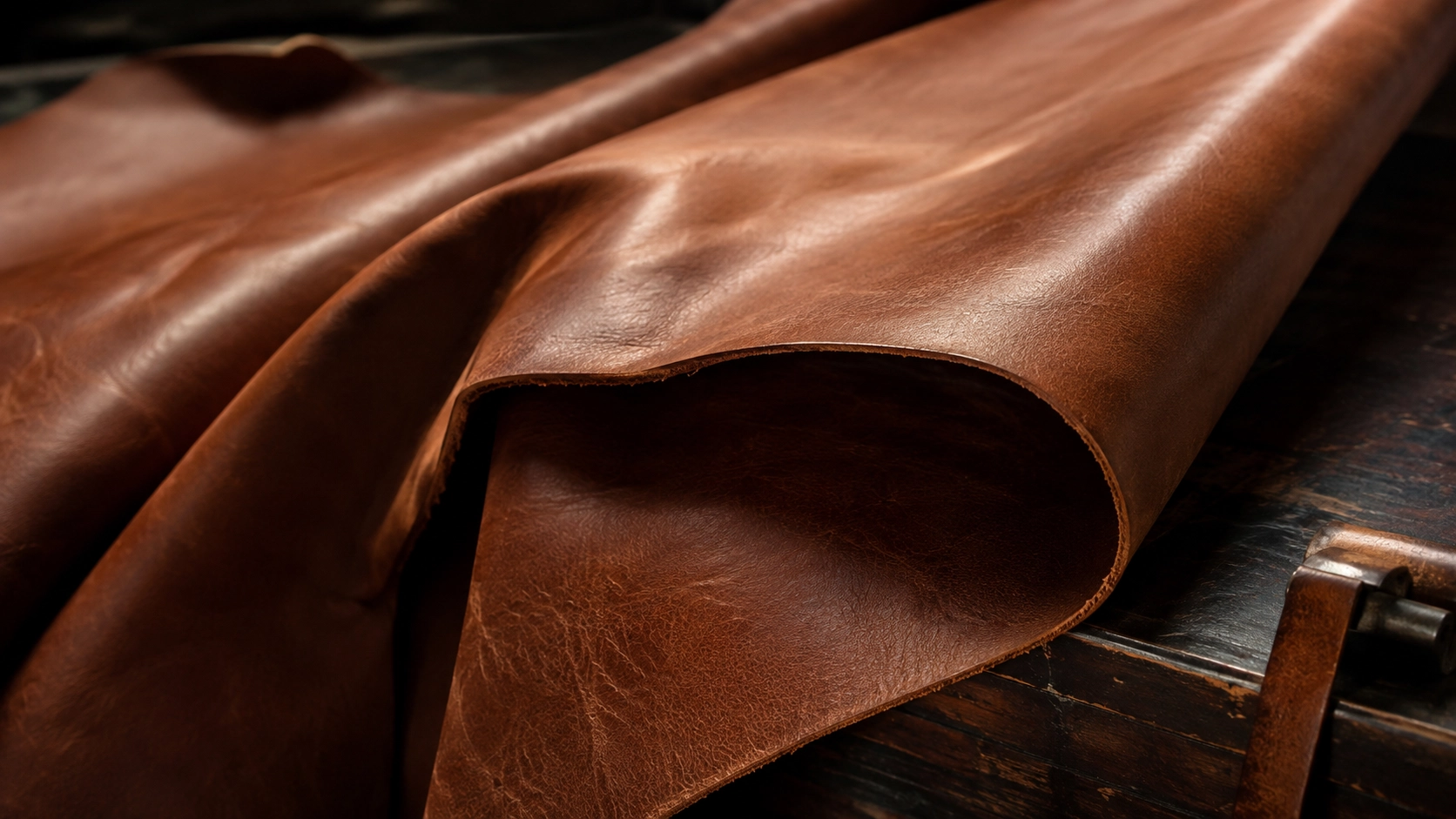
One of the most relevant implications of LINEAPELLE’s Summer 27 concept is a move away from sterile perfection.
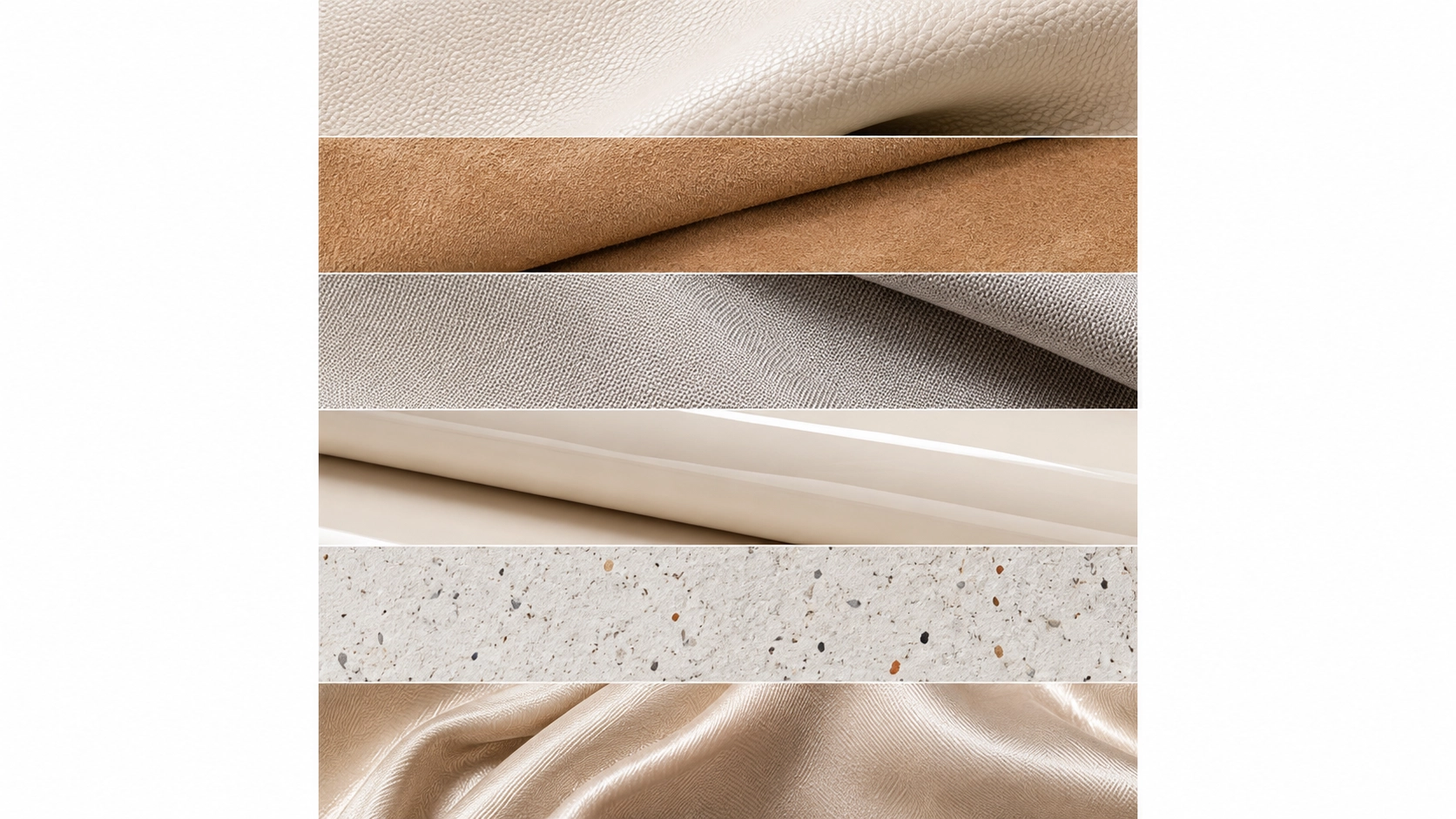
That creates renewed space for full-grain leather, suede, nubuck, soft nappa, washed surfaces, natural grain and subtly irregular finishes.
The opportunity is especially important for High-End Footwear Materials.
A suede loafer, soft nappa slingback or lightly textured pump can communicate premium positioning without excessive decoration. Likewise, a soft hobo or travel bag can use the natural behaviour of leather as part of its visual identity.
But material character must be evaluated technically.
Brands should ask:
- Will the leather crease attractively?
- Will suede polish too quickly at stress points?
- Does the material stretch excessively around the topline?
- Does reinforcement destroy the softness that made the material desirable?
These questions are central to meaningful high-end shoe material research and an In-Depth Analysis of Handbag Materials.
For Material HERRAINS, Italian-Style Leather should therefore be understood as a development philosophy: proportion, hand feel, restrained finishing and harmony between material and construction—not simply as a geographic label.
Commercial impact: Better material matching reduces failed samples, improves perceived quality and helps keep premium positioning consistent from prototype to production.
2. Refined Shine and Surface Contrast Create Product Identity Premium Leather Supplier Insights Go Beyond “Glossy vs Matte”
Premium Leather Supplier Insights Go Beyond “Glossy vs Matte”
SS27 does not need to choose between natural tactility and polish.
Instead, the stronger opportunity lies in contrast.
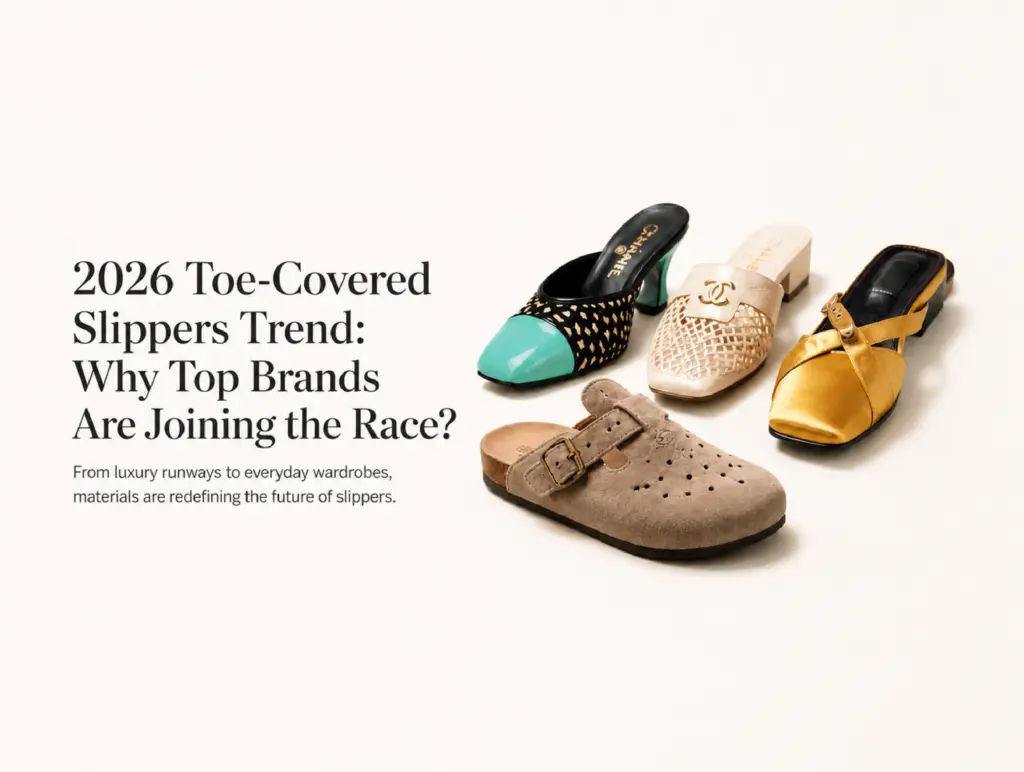
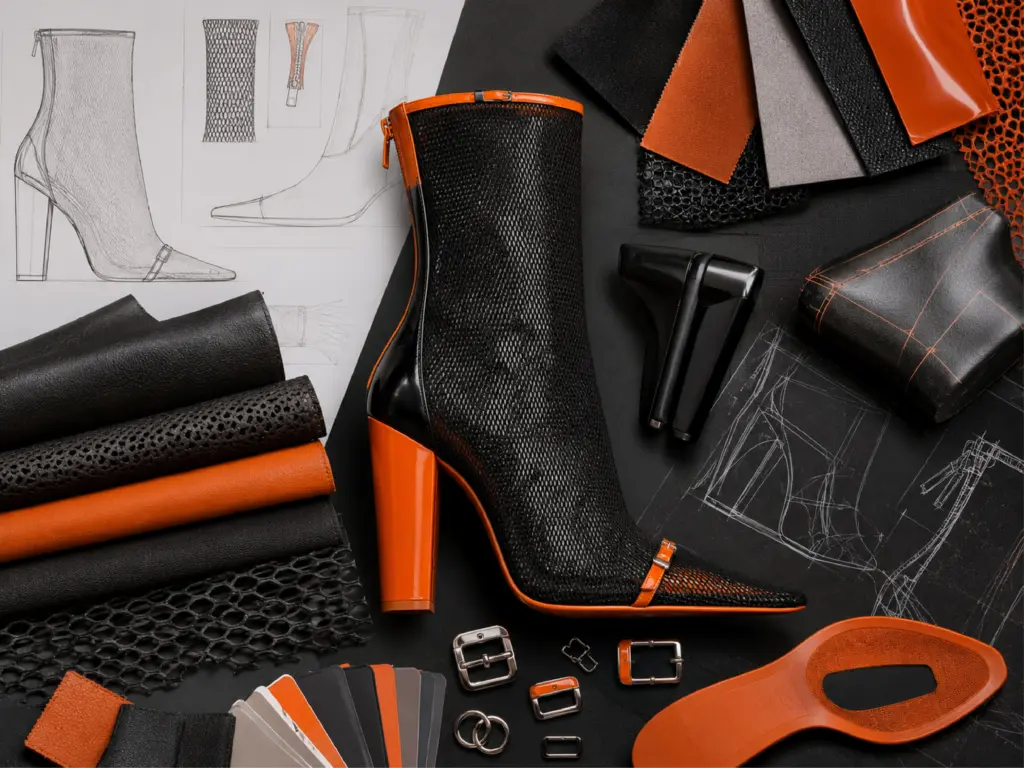
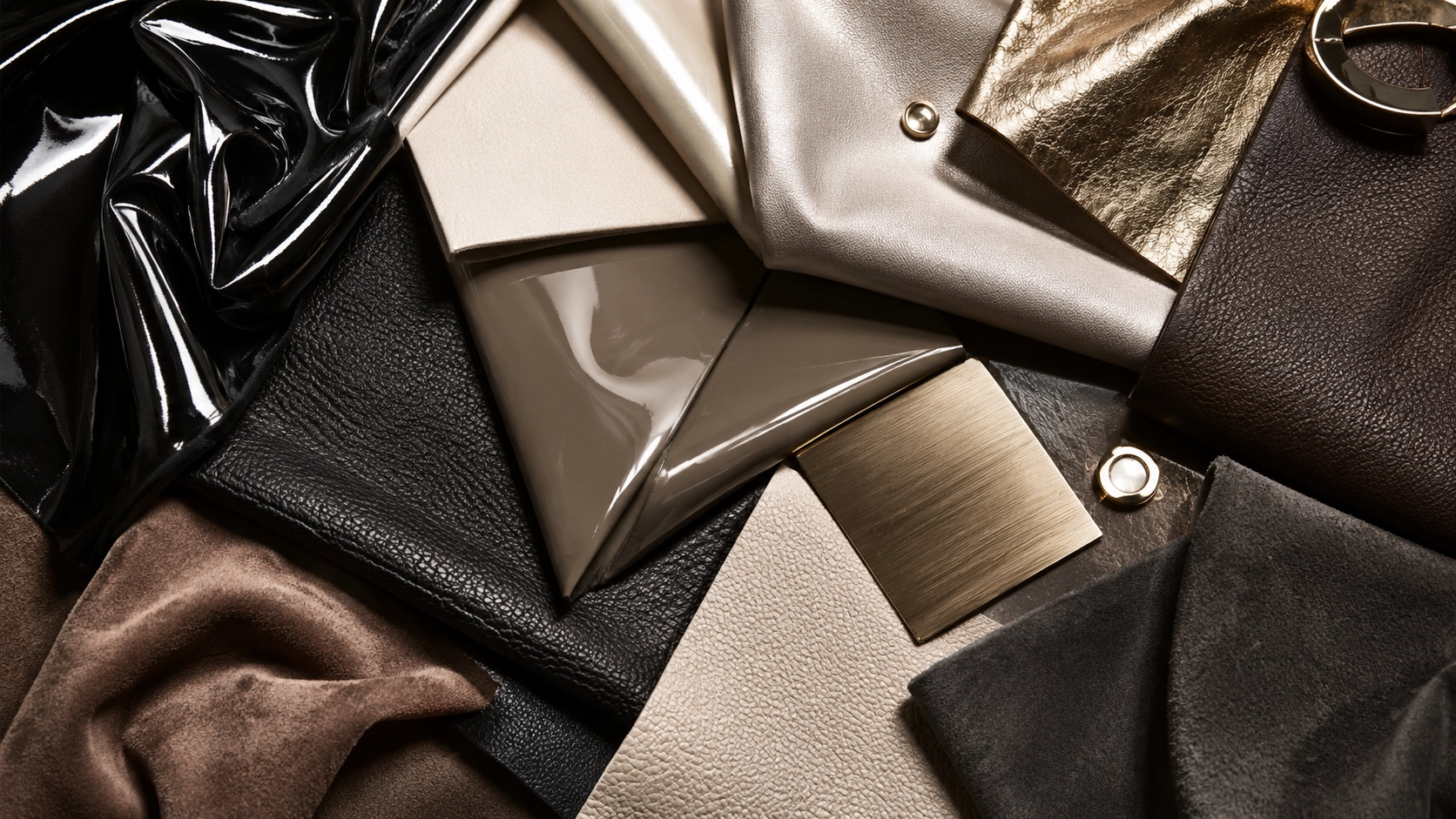
Patent leather, polished calf, pearlescent surfaces, subtle metallic finishes and coated materials can be used selectively against suede, nappa or grain leather.
For footwear, this might mean:
- a patent toe with a matte upper;
- polished heel wrapping on a suede pump;
- a reflective strap on a minimalist sandal.
For handbags:
- glossy handles on a matte body;
- patent side panels;
- metallic leather around a closure;
- polished edge detailing.
This type of material contrast can create strong visual identity without adding excessive construction.
However, high-shine surfaces expose manufacturing defects quickly.
Creasing, glue contamination, uneven edge paint, cracking and surface abrasion are more visible than on matte leather. Sampling must therefore include flex testing, adhesion review and surface durability evaluation.
A Luxury Bag Material Guide or custom bag material selection guide should never treat finish as an isolated styling decision.
Commercial impact: A controlled surface contrast can increase perceived retail value while keeping the overall silhouette commercially wearable.
3. Lightweight and Technical Materials Need Luxury-Level Engineering
Sustainable Footwear Material Trends Are Also About Performance
Spring/Summer naturally increases demand for lighter products.
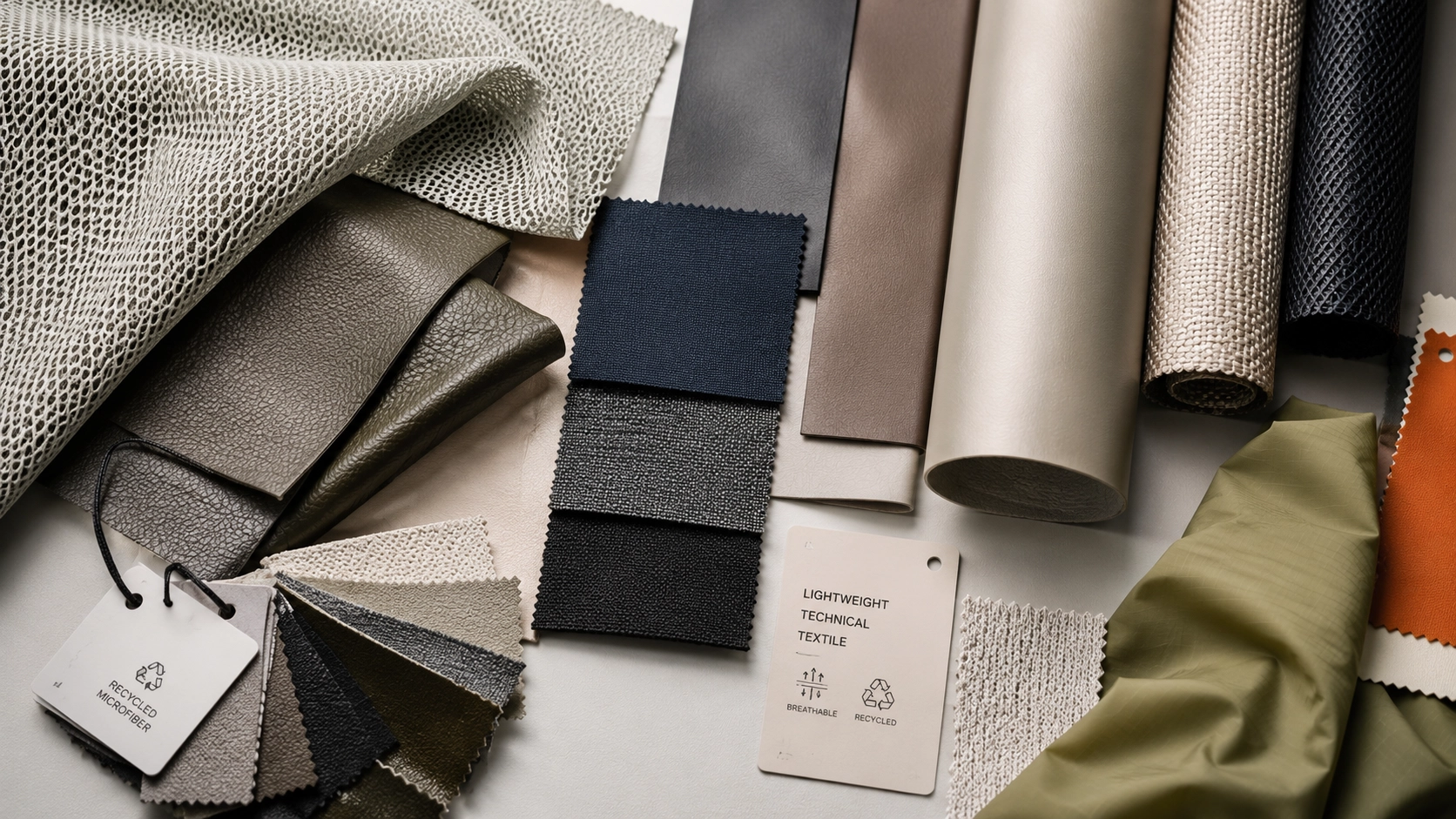
This brings greater relevance to microfiber, lightweight technical textiles, breathable structures, recycled materials and leather-textile hybrids.
But “lighter” should never mean weaker.
A premium loafer using microfiber or a technical upper still needs adequate reinforcement around the toe box, topline and flex zones. A travel bag using a lightweight textile may require leather reinforcement around handles and hardware attachment points.
Footwear developers should evaluate:
- thickness;
- stretch recovery;
- tear strength;
- flex performance;
- seam resistance;
- colourfastness;
- adhesive compatibility;
- outsole weight.
Outsole density is particularly important.
A reduced-density outsole can lower weight, but abrasion resistance, flexing and edge stability must still be verified.
This is why advanced shoe construction materials and footwear components sourcing strategies should be considered together rather than sourced independently.
The original development workflow in your draft is worth preserving:
Concept Development → Material Matching → Prototype Development → Sampling Revisions → Wear Testing → Bulk Production Preparation.
Commercial impact: Early material engineering improves comfort and reduces costly revisions after tooling or sampling has already begun.
4. Hardware, Linings and Components Become Part of Material Strategy
B2B Shoe & Bag Material Insights Must Include More Than Leather
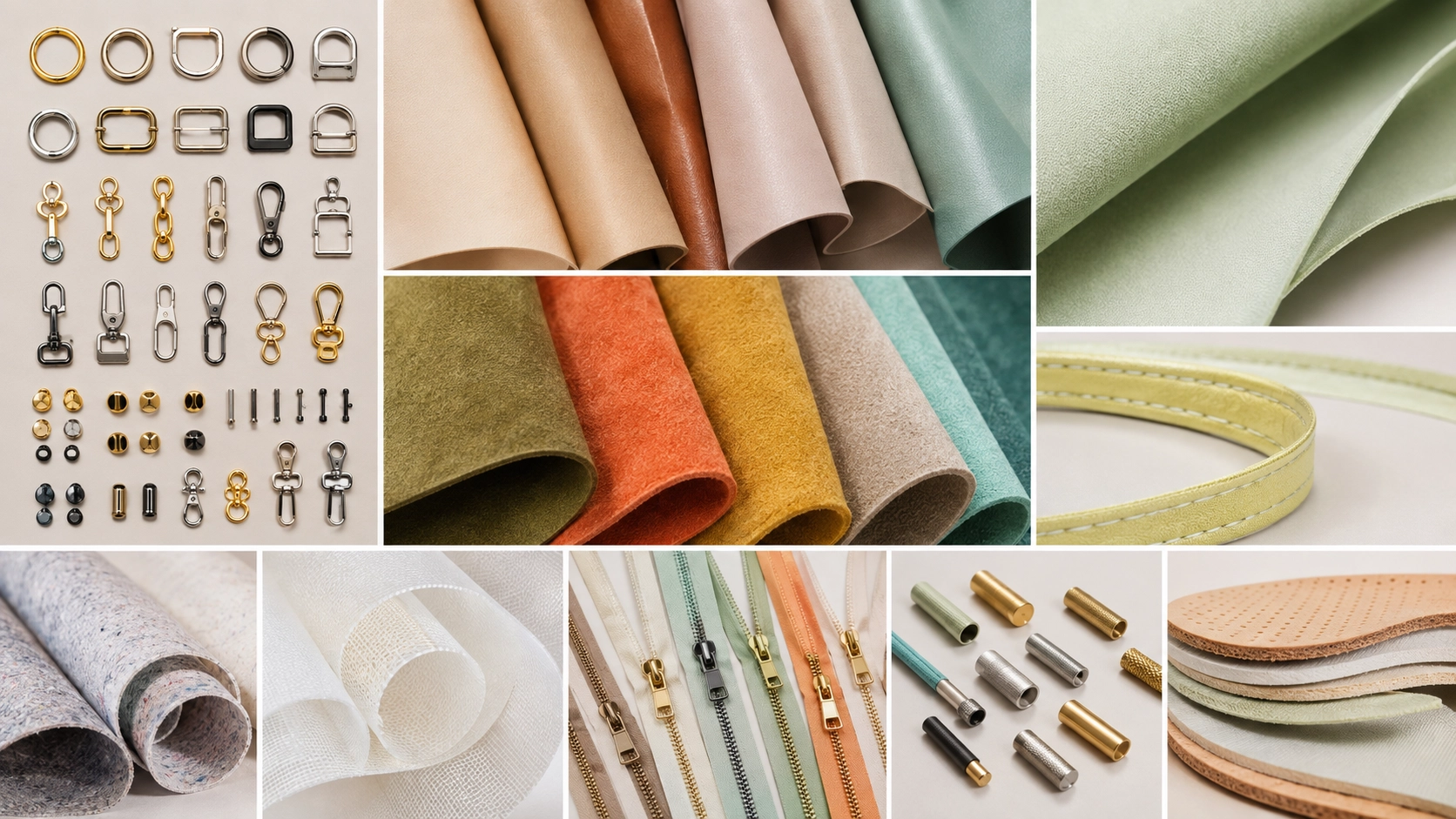
LINEAPELLE’s Trend Book does not limit its SS27 analysis to leather. It also explicitly includes fabrics, small parts and footwear shapes, structures and heels, which is particularly relevant for a resource platform covering complete product development.
For High-End Handbag Development, hardware can determine whether a bag feels refined or over-designed.
Metal hardware should be evaluated for:
- plating consistency;
- abrasion resistance;
- weight;
- opening force;
- attachment strength;
- leather reinforcement requirements.
Linings matter equally.
A premium exterior paired with a thin, unstable lining immediately lowers perceived quality. Lining selection should consider hand feel, seam strength, colour transfer and pocket construction.
Footwear requires the same thinking across heel structures, shanks, outsole compounds, insoles and decorative components.
The correct question is not:
“Which buckle looks best?”
It is:
“Which buckle works with this strap width, leather thickness, reinforcement method and target weight?”
That is the role of practical OEM/ODM Material Resources.
Commercial impact: Component planning reduces structural failure, improves consistency and creates more accurate costing before production.
5. Sustainability and Traceability Move Into Product Due Diligence
Sustainable Footwear Materials Must Be Verified, Not Just Marketed
For premium brands, sustainability sourcing is increasingly connected to documentation.
Leather Working Group’s current Leather Manufacturer Standard assesses areas including environmental management, chemical management, incoming and outgoing traceability, restricted substances and broader operational performance.
LWG also distinguishes several traceability models—including physical, documented, group and regional traceability—showing that leather origin is becoming a measurable sourcing issue rather than a vague marketing claim.
This matters for brands sourcing:
- full-grain leather;
- suede;
- recycled materials;
- microfiber;
- mixed-material constructions.
For EU-bound footwear and handbags, REACH must also be considered. ECHA states that leather parts in contact with skin may not be placed on the market at or above the specified Chromium VI threshold.
For relevant children's products in the United States, CPSIA requirements may involve lead, phthalates, testing, certification and tracking requirements.
A responsible sourcing review should therefore include:
supplier documentation → material traceability → restricted substances → durability testing → market-specific compliance.
Commercial impact: Compliance planned during development reduces re-testing, material replacement and shipment delays later.

6. The Best SS27 Trend Is the One a Brand Can Commercialise
Private Label Material Resources Should Support Brand Positioning
Not every brand should follow the same SS27 material direction.
A Japanese minimalist label may favour soft nappa, subtle grain, microfiber and brushed hardware.
A Middle Eastern occasion brand may interpret SS27 through polished leather, metallic finishes and stronger decorative hardware.
A European contemporary handbag label may prefer soft natural leather, handcrafted textures and restrained construction.
A digital-first private label may prioritise stock-supported colours, modular components and flexible quantities to protect cash flow.
This is where private label material resources, handbag development material tips and an OEM/ODM material reference for brands become commercially valuable.
The goal is not to tell every customer which trend to copy.
The goal is to identify which material direction supports:
brand identity + target retail price + MOQ + prototype feasibility + repeat production.
Material HERRAINS should therefore function as the first research layer of the development journey: a Material Library for High-End Footwear & Handbags where brands clarify direction before moving into design collaboration, Prototype Development, flexible sampling and small-batch commercialisation.
That is the difference between a material catalogue and genuine B2B Fashion Materials intelligence.

Conclusion: Material Choice Is a Commercial Decision
Spring/Summer 2027 reinforces a broader shift in premium footwear and handbags: materials are no longer decorative inputs added after design.
They are part of the design system.
Full-grain leather, suede, technical microfiber, polished surfaces, recycled materials, premium linings, metal hardware and carefully engineered components all influence perceived quality, comfort, durability, compliance, cost and scalability.
A Material Library for High-End Footwear & Handbags should therefore do more than display swatches.
It should help brands understand how materials behave inside real products—and what must happen between inspiration and a market-ready collection.
For Material HERRAINS, that creates a clear role:
research first, validate materials, connect materials to product structure, develop prototypes, revise intelligently and prepare for commercial production.
FAQ
1. What are the key Spring/Summer 2027 material directions for footwear and handbags?
SS27 points toward more expressive material character, including tactile natural leather, suede, refined shine, lightweight technical materials, crafted surfaces and carefully integrated hardware. LINEAPELLE frames Summer 27 around a more nuanced interpretation of perfection and material expression.
2. Which leather types work best for high-end handbag development?
The correct leather depends on structure. Full-grain and firmer grain leather support structured bags, while soft nappa and suede suit hobo and slouchy constructions. Reinforcement, lining and hardware weight should always be evaluated together.
3. Can microfiber be used in premium footwear?
Yes. High-grade microfiber can offer controlled thickness, low weight and stable colour. Its suitability depends on backing structure, stretch, flex performance, finishing and the intended shoe construction.
4. How should brands evaluate sustainable leather sourcing?
Review supplier documentation, traceability, restricted-substance management and relevant LWG certification. LWG audits evaluate facilities and supply-chain practices rather than automatically certifying every finished product.
5. When should materials be selected during OEM/ODM development?
During concept development, before final prototype engineering. Early material matching reduces sampling revisions and helps align construction, MOQ, cost and bulk-production feasibility.