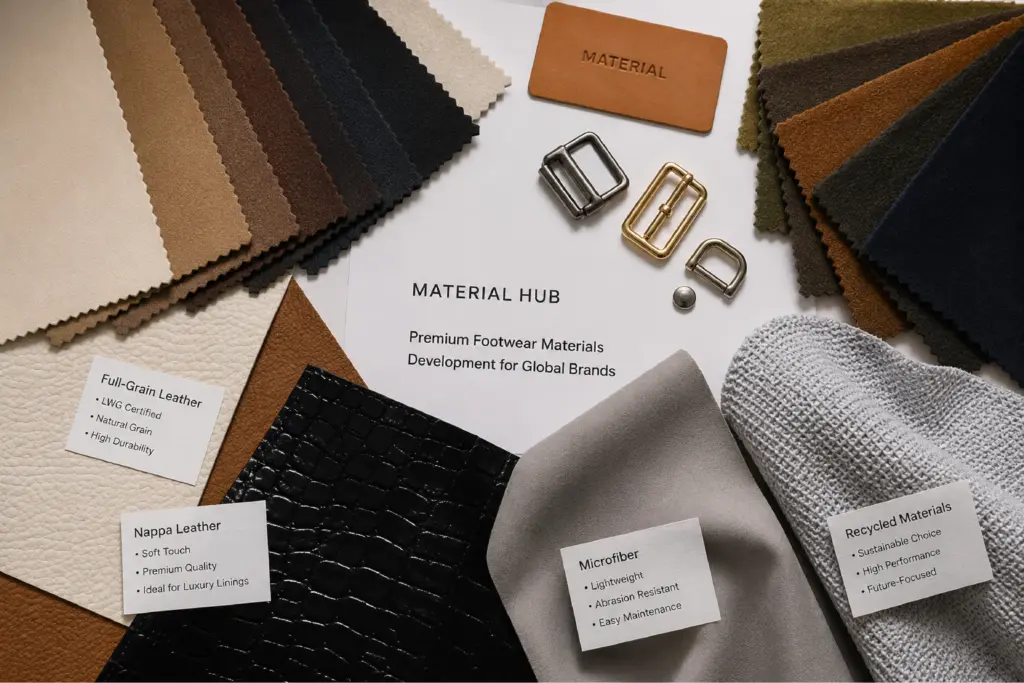
26/27 Fall-Winter Bag Detail Trends: Fine Straps & Lightweight Design

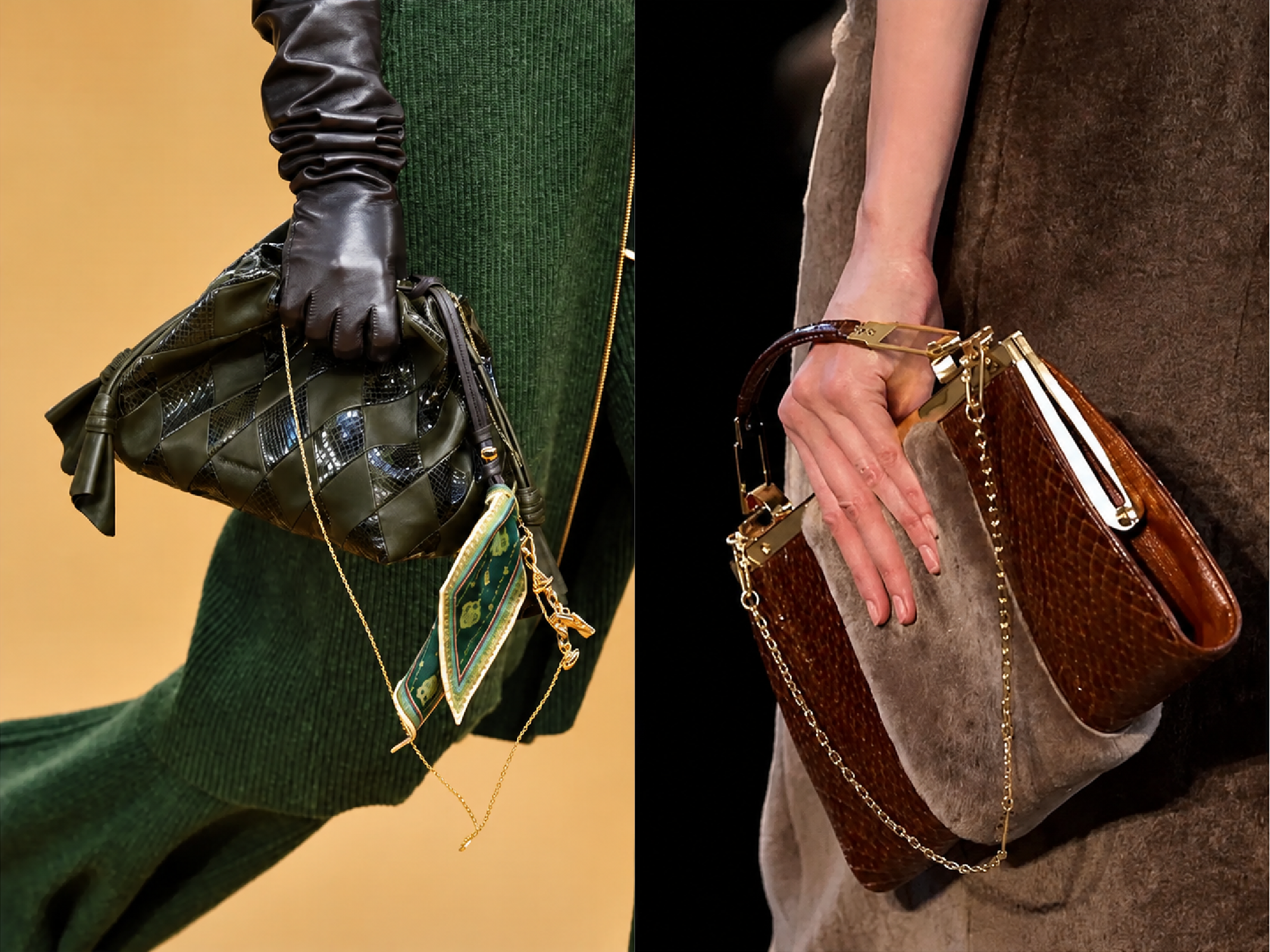
The 26/27 autumn-winter season introduces a shift in handbag trends: an emphasis on delicate straps, lightweight constructions, and sophisticated material pairings. For emerging fashion brands, independent designers, and private label ventures, understanding these subtle yet critical material choices is pivotal in elevating both product quality and brand perception.
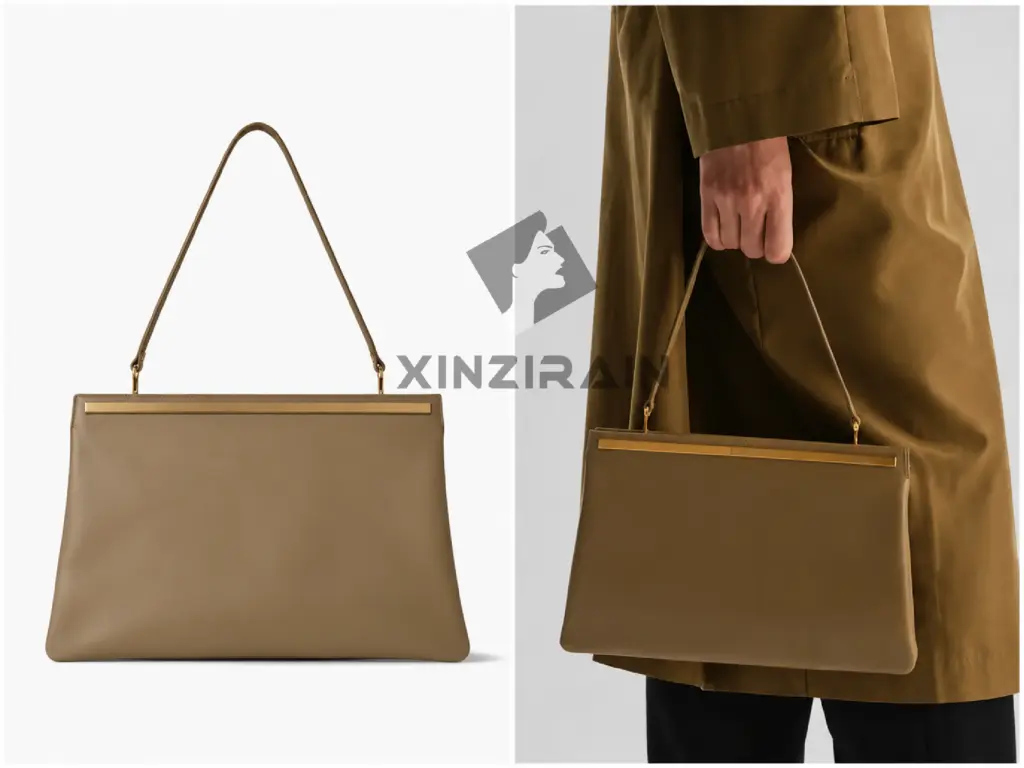
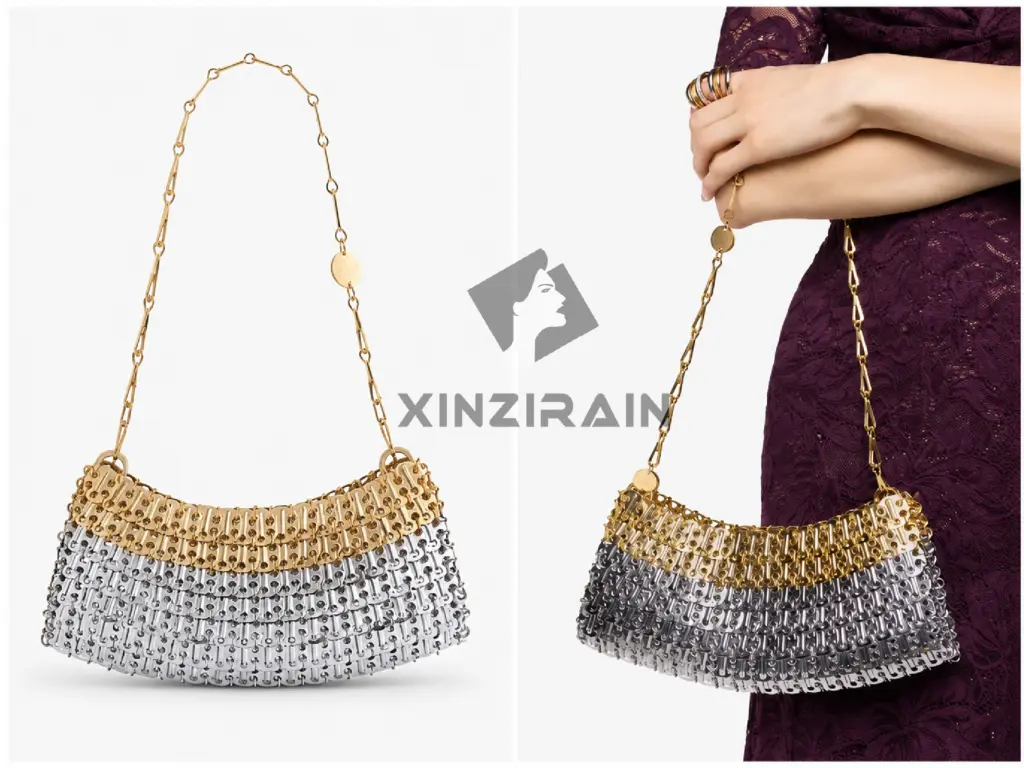
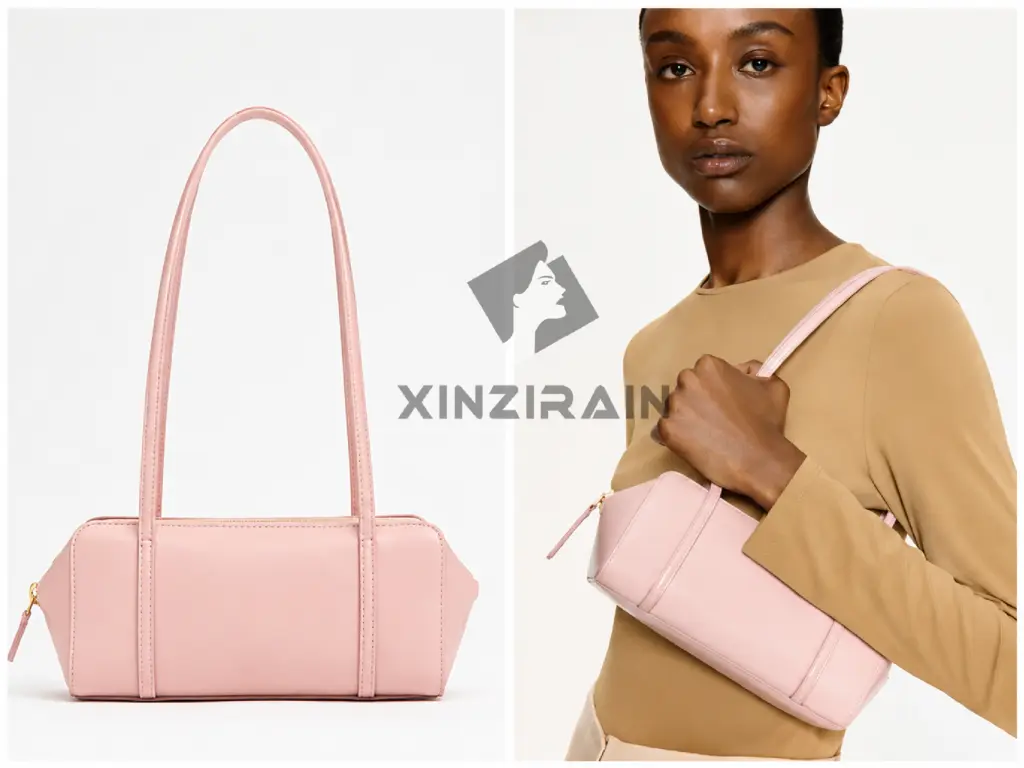
Whether crafted from leather, metal chain, or fabric, the straps feature a slender, narrow profile. This creates a striking contrast in scale against the bag bodies—which vary in texture from structured patent leather and plush patchwork to soft woven materials and voluminous padded designs. The slim straps effectively balance the visual weight of these materials, lending the overall look a sense of lightness and sleekness; versatile enough for any occasion, the design aligns perfectly with current trends favoring lightweight yet sophisticated aesthetics.
At Herrains Material Library, we provide a Footwear and Bag Materials Resource Center where brands gain actionable insights on Footwear Material Library, Luxury Bag Material Guide, and High-End Footwear Materials to bridge conceptual design with market-ready execution.
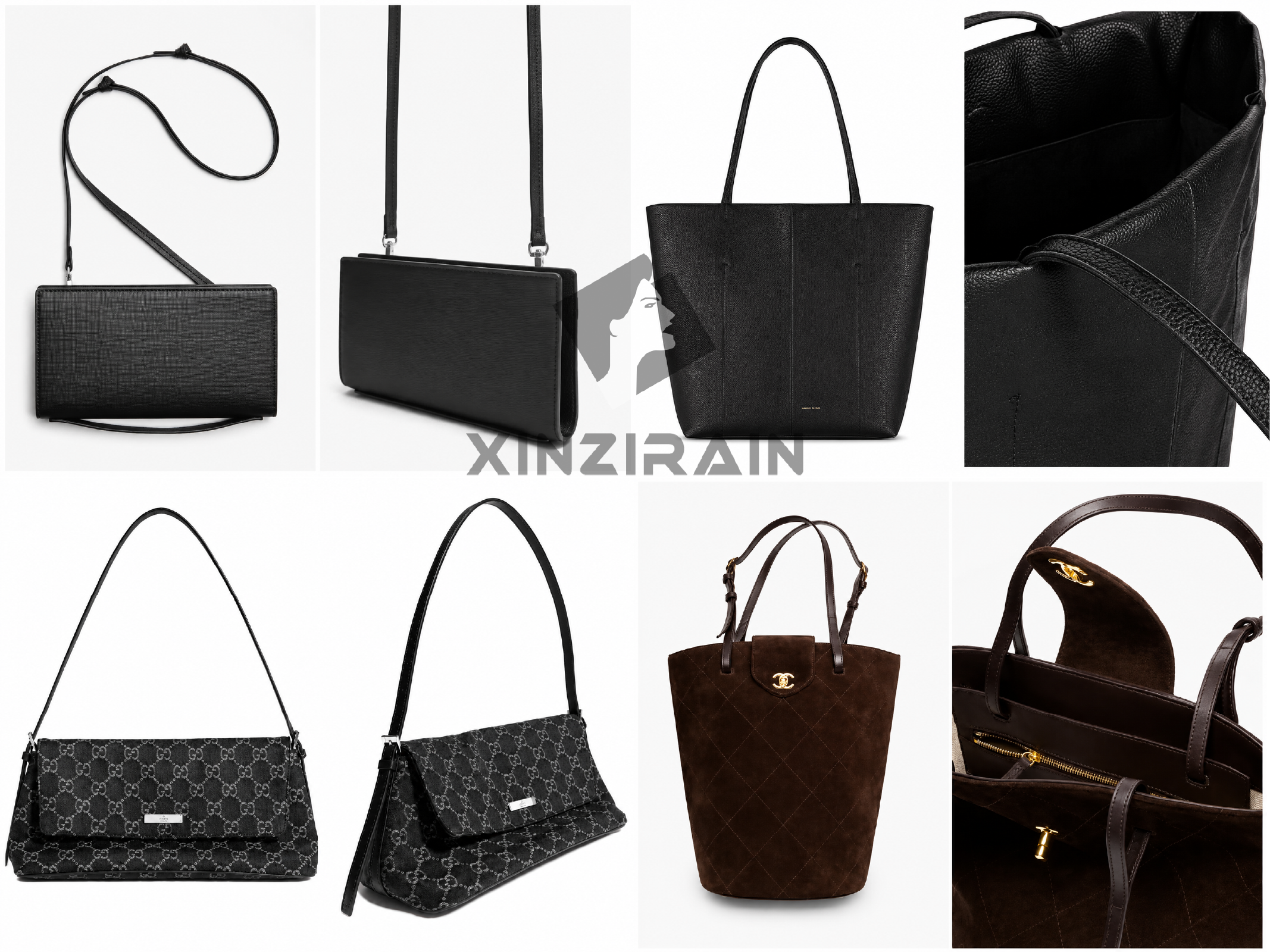
Understanding the Shift: Fine Straps and Lightweight Structures
Lightweight handbags are not merely a stylistic choice—they directly influence user comfort, wearability, and perceived luxury. This evolution aligns with global consumer preferences favoring:
- Slim profiles that integrate seamlessly with layered outerwear.
- Ergonomic strap lengths supporting both shoulder and crossbody wear.
- Materials that retain form despite reduced structural reinforcements.
Material impact:
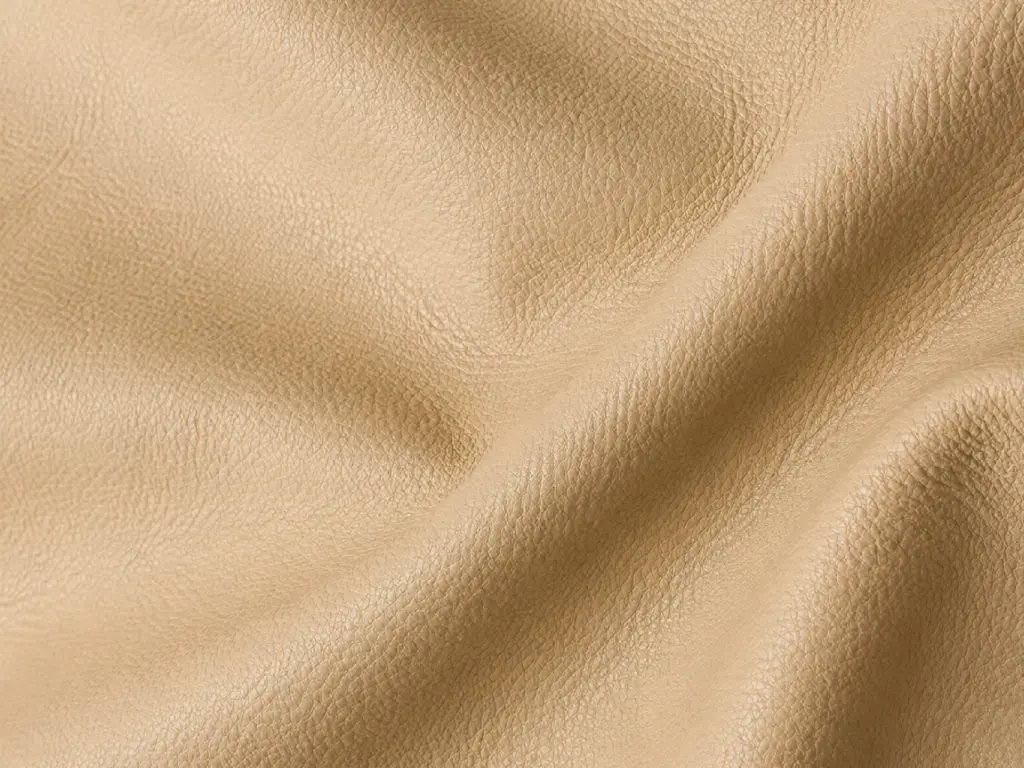
Choosing Italian-style full-grain leather or high-grade microfiber ensures durability even with minimalistic strap designs. For brands, this means balancing weight reduction with mechanical resilience, avoiding sagging or early wear at stress points.
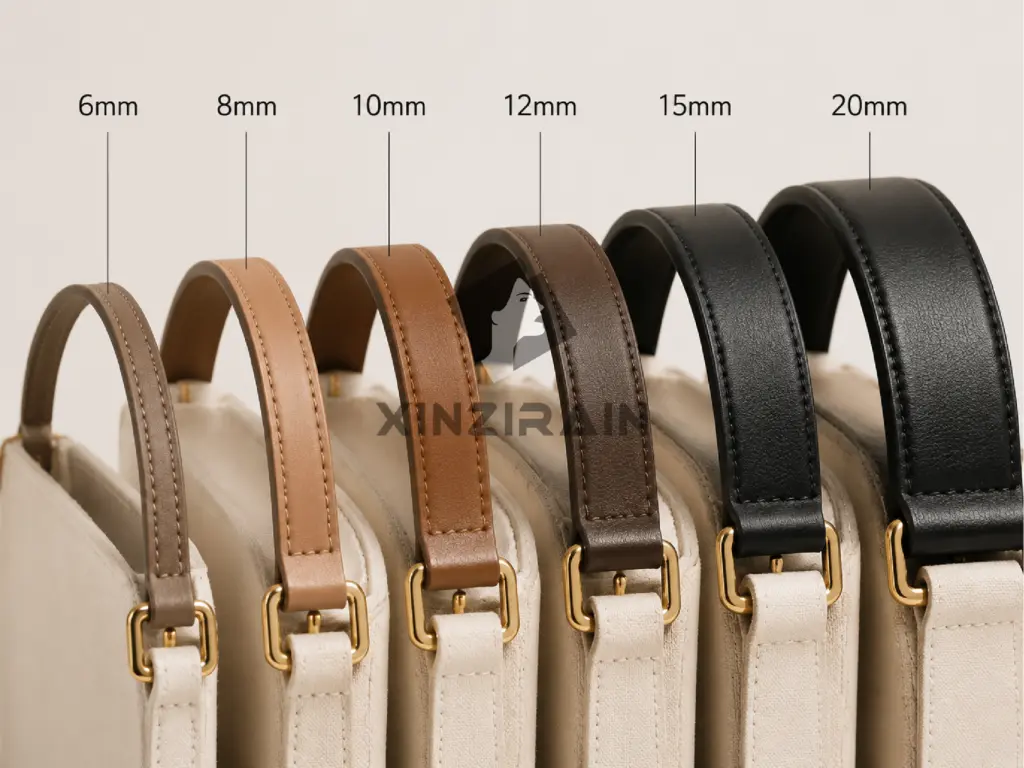
Material Selection: The Backbone of Luxury Perception
High-end handbag development relies on meticulous material curation. Considerations include:
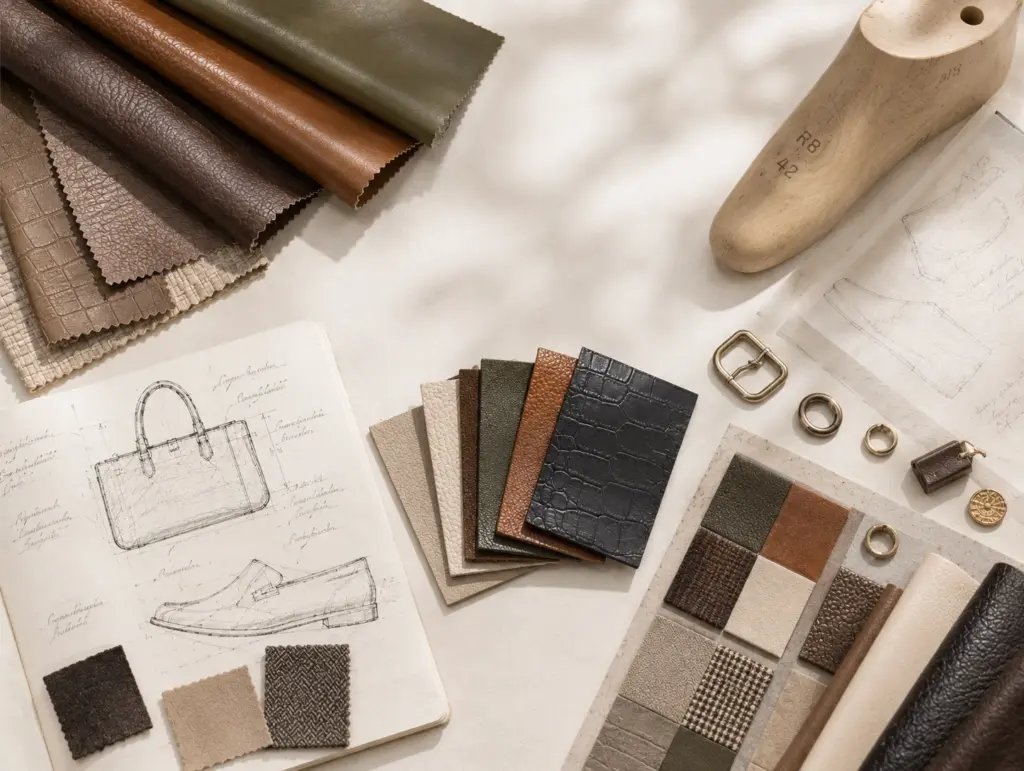
- Leather types: Full-grain, top-grain, and nubuck offer unique textures and patinas; Italian leather sourcing elevates the luxury positioning.
- Sustainable materials: Recycled leather, plant-based alternatives, and certified microfiber reduce environmental footprint while aligning with Leather Working Group and REACH compliance standards.
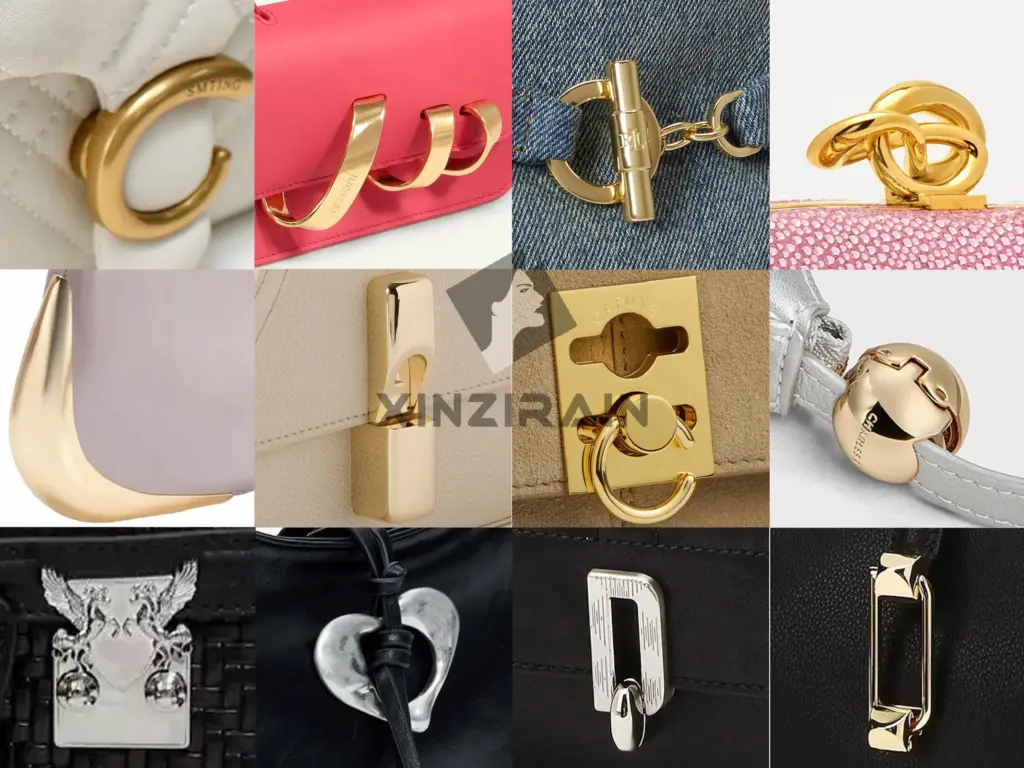
- Hardware integration: Metal buckles, chain straps, and magnetic closures must complement lightweight structures without adding excessive mass.
- Linings and reinforcements: Optimized lining selection and light interlinings provide stability while maintaining flexibility.
Brands leveraging our Luxury Bag Material Guide can anticipate durability testing outcomes and optimize prototype development cycles for superior tactile and functional performance.
From Concept to Prototype: Ensuring Design Fidelity
Concept Development: Integrating strap slenderness early in sketches prevents late-stage revisions.
Material Matching: Coordinating leather grain, lining texture, and reinforcement density ensures visual and tactile harmony.
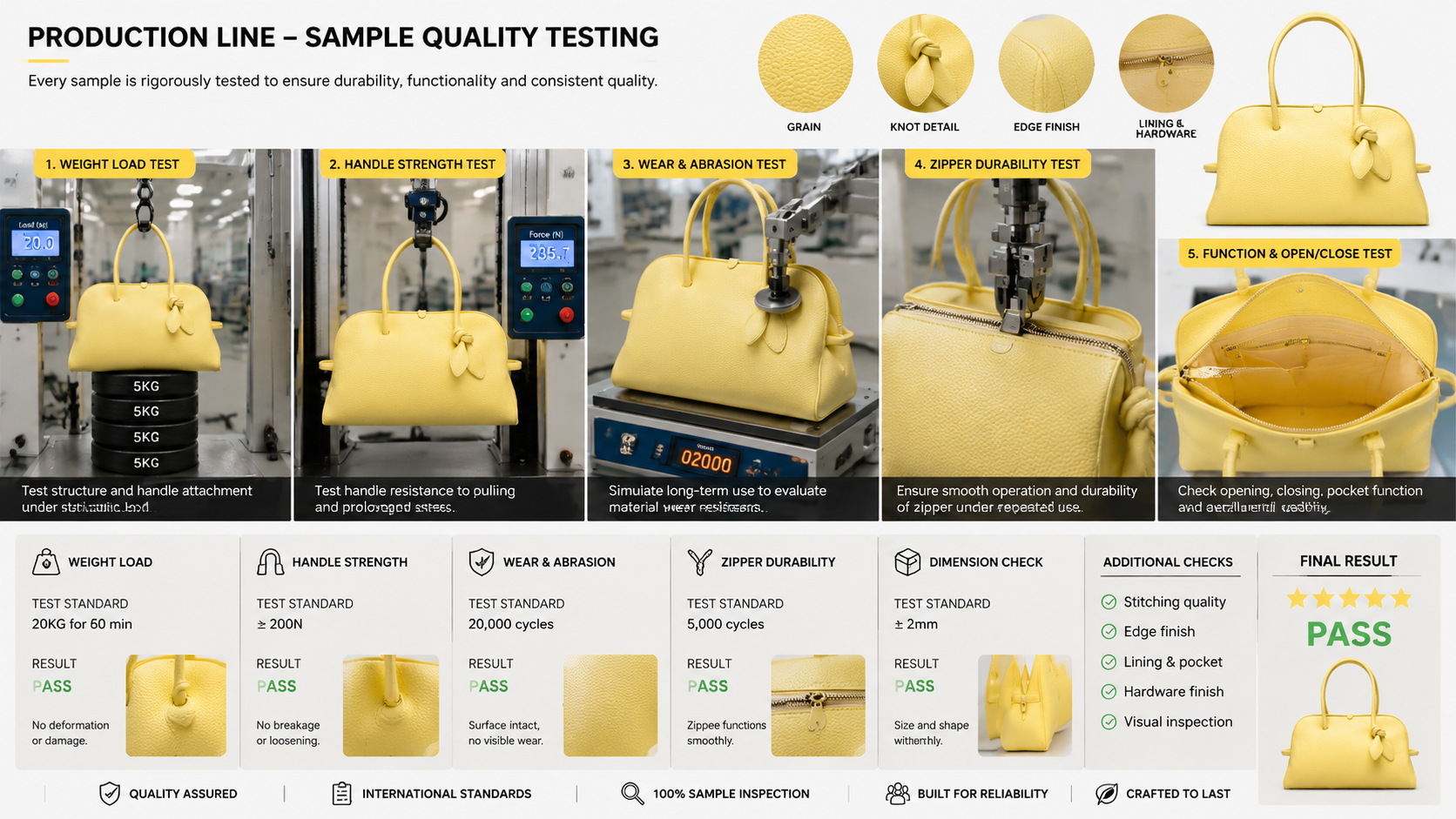
Prototype Development: Sampling revisions validate wear testing, handle load distribution, and stitching integrity.
Bulk Production Preparation: Preemptively aligning with OEM/ODM partners reduces lead times and mitigates overspending on failed iterations.
OEM/ODM Material Integration: Bridging Design & Production
Emerging brands often face the challenge of translating creative vision into scalable production. Our OEM/ODM Material Resources support:
- Private label material resources: Access to small-batch testing with customizable options.
- Traceability: Ensuring all leathers and components comply with CPSIA, REACH, and sustainability sourcing requirements.
- Flexible production: Small-batch support with iterative feedback loops for quality consistency.
For instance, adjusting outsole density in footwear or strap reinforcement in handbags during pre-production sampling reduces risks of post-launch returns, preserving brand reputation.
Strategic Insights for High-End Brands
Incorporating a detailed Material Library for High-End Footwear & Handbags allows brands to:
- Align product quality with brand positioning.
- Accelerate development through informed material sourcing.
- Reduce unexpected costs from material failures or late-stage revisions.
- Leverage sustainable materials to appeal to conscious luxury consumers.
Our library includes High-End Handbag Development tips, Italian-style leather selections, and advanced shoe construction materials, ensuring brands can seamlessly translate material knowledge for fashion brands into marketable products.
Conclusion
The 26/27 fall-winter bag trend of fine straps and lightweight construction underscores a broader shift toward precision, comfort, and material-led luxury. By engaging with a comprehensive footwear and bag material library, brands not only refine their aesthetic but also optimize development efficiency, cost control, and market readiness. Herrains Material Library empowers emerging fashion houses, design studios, and private label brands to access Italian-style leather, sustainable materials, and OEM/ODM expertise, positioning them for successful launches across global markets.
FAQ
- What materials are best for lightweight, durable bag straps?
Full-grain leather, top-grain Italian leather, high-density microfiber, and metal-reinforced closures. - How can I ensure my bag materials meet global compliance standards?
Herrains materials adhere to REACH, CPSIA, Leather Working Group, and sustainability sourcing standards. - Can small brands access OEM/ODM sampling for unique materials?
Yes, our platform supports small-batch prototype development and iterative sampling. - What testing is recommended for high-end bag durability?
Wear testing, stress testing on straps and closures, lining abrasion tests, and prototype weight balance validation. - How does material selection affect brand positioning?
Premium, sustainable, and well-engineered materials enhance perceived value, durability, and luxury branding.